

Blog

  • How to Talk to Your Partner About Birth Plans (Without It Turning Into a Fight)

    How to Talk to Your Partner About Birth Plans (Without It Turning Into a Fight)

    Somewhere between the anatomy scan and the third trimester, a conversation needs to happen. It’s the one about how this baby is going to come into the world — and it’s the one that catches a surprising number of couples off guard.

    Maybe you’ve been Googling birth plans at midnight while your partner hasn’t thought about it yet. Maybe you have strong feelings about pain management and your partner has strong feelings about… not having strong feelings. Maybe one of you watched a birth documentary and is now convinced that all intervention is evil, while the other just wants everyone to come home safe.

    Here’s the thing about birth plan conversations: they’re not really about the birth plan. They’re about trust, communication, fear, values, and the kind of parents you’re about to become. Getting them right — or at least getting them started — sets the tone for everything that comes after.

    This guide will help you have the conversation productively, cover what actually matters, and come out the other side still liking each other.

    Why This Conversation Is Harder Than You’d Expect

    Most couples don’t fight about birth plans because they fundamentally disagree. They fight because:

    You’re processing at different speeds. The birthing parent has been living in this pregnancy 24/7 — every symptom, every appointment, every 2 AM anxiety spiral. Their partner may be supportive but hasn’t had the same intensity of experience. When the birth plan conversation comes up, one person has been thinking about it for weeks and the other is hearing some of these concepts for the first time.

    You’re both scared, but about different things. The birthing parent might be afraid of pain, loss of control, or medical complications. The non-birthing partner might be afraid of watching someone they love in pain and not being able to help, or of making the wrong call under pressure. Both sets of fears are valid, but they’re not always visible to each other.

    There’s a power imbalance. Ultimately, birth happens in one person’s body. The birthing parent has — and should have — the final say on what happens to their body. But the non-birthing partner’s feelings, fears, and preferences also matter. Navigating this requires more nuance than most couples are used to.

    Cultural and family pressures sneak in. Your mother’s opinions about epidurals, your partner’s friend’s home birth story, your coworker’s C-section experience — everyone has input, and it can feel like you’re negotiating with more than just two people.

    When to Have This Conversation

    Start early — around weeks 24 to 28 — but don’t expect to resolve everything in one sitting. Think of it as an ongoing conversation that evolves as you learn more and as your pregnancy progresses.

    Here’s a suggested timeline:

    • Weeks 24–28: First big conversation. Explore preferences, fears, and values. Take a childbirth education class together (this gives you shared vocabulary and information)
    • Weeks 28–32: Start putting preferences on paper. Talk through specific scenarios. Discuss roles during labor
    • Weeks 32–36: Finalize your birth preferences document. Review it with your provider. Do a “dress rehearsal” conversation (what happens if things change?)
    • Weeks 36+: Quick check-ins. Revisit anything that’s changed. Pack the hospital bag together

    Important: The birth plan conversation is not a one-time event with a final answer. It’s iterative. Plans change. Feelings evolve. New information comes in. That’s normal and healthy.

    How to Start the Conversation

    The hardest part is often just opening the door. Here are a few approaches:

    The Direct Approach

    “I’ve been thinking about our birth plan, and I want to make sure we’re on the same page. Can we set aside some time this weekend to talk through it?”

    This works if you’re both communicators who do well with clear asks.

    The Education-First Approach

    “I signed us up for a childbirth class on [date]. I think it’ll help us both feel more prepared and give us things to talk about together.”

    This works if your partner hasn’t been thinking about the birth plan much and needs context before having opinions.

    The Feelings-First Approach

    “I’m starting to feel anxious about labor, and I think talking through our preferences would help me feel more prepared. Can we do that together?”

    This works if you want to lead with emotional honesty rather than logistics.

    The Low-Pressure Approach

    “I found this list of questions couples should discuss before labor. Want to go through it together over dinner?”

    This works if your partner responds better to structured prompts than open-ended conversations.

    The Topics to Cover (A Framework)

    Here’s a practical framework for the birth plan conversation, organized by theme:

    1. Pain Management — The Big One

    This is usually where the strongest feelings live. Questions to discuss:

    • What’s your current thinking on pain medication? (Epidural? Medication-free? Open to either? Don’t know yet?)
    • What matters most to you about this decision? (Control? Comfort? A specific birth experience? Minimizing risk?)
    • What would change your mind? (If labor is longer than expected? If there’s a medical complication? If you’re in more pain than anticipated?)
    • Can we agree that the person giving birth has the final say in the moment? (This is non-negotiable, but explicitly stating it prevents resentment later)

    Important framing: This isn’t about being right. There’s no objectively correct answer to the epidural question. Research supports both medicated and unmedicated approaches as safe for most pregnancies. The goal is to understand each other’s feelings and establish a shared approach with flexibility built in.

    2. Who’s in the Room

    • Who do we want present during labor and delivery? (Just the two of you? A doula? Family members? A friend?)
    • What role does each person play? (Physical support? Emotional support? Photography? Advocating with medical staff?)
    • Who do we specifically NOT want there? (This one can be awkward but is critical to discuss in advance)
    • What about visitors after delivery? (Immediately? After a golden hour? After a few hours? The next day?)

    Common tension point: One partner may want their mother in the room while the other considers that a dealbreaker. This is a conversation to have before labor, not during. The birthing parent’s comfort level should be the primary driver — research consistently shows that feeling safe and supported during labor leads to better outcomes.

    3. Your Partner’s Role During Labor

    Non-birthing partners often feel unsure about what they’re supposed to do during labor. Discuss:

    • What kind of support do you think you’ll need? (Physical — counter-pressure, massage, holding hands? Emotional — words of encouragement, calm presence? Practical — timing contractions, communicating with nurses?)
    • What should your partner do if you’re in a lot of pain and want to change the plan? (Advocate for the original plan? Support the change immediately? Ask clarifying questions?)
    • What are your partner’s fears about being in the room? (Seeing blood? Feeling helpless? Making wrong decisions? Not knowing what to do?)
    • Would a doula help? (Doulas support both the birthing person AND the partner. They don’t replace your partner — they augment them)

    4. Medical Decisions and Interventions

    • How do you feel about induction? (If it’s medically recommended? If you’re past your due date?)
    • What about C-section? (Planned? Emergency? What would make you feel okay about one?)
    • Do you have preferences about fetal monitoring? (Continuous vs. intermittent?)
    • Cord clamping timing? (Delayed cord clamping is now standard at most hospitals, but discuss your preference)
    • If the baby needs to go to the NICU, who goes with the baby and who stays with the birthing parent?

    Key agreement: Whatever your preferences are, medical necessity overrides all of them. The best birth plan includes the explicit statement: “If our provider recommends a change for the safety of parent or baby, we trust that recommendation.”

    5. Immediately After Birth

    • Skin-to-skin contact preference? (With the birthing parent first? With the partner if the birthing parent can’t?)
    • Photography/video? (During delivery? Immediately after? First bath? What gets shared on social media — and what doesn’t?)
    • Visitors in the first hours? (Who, when, and for how long?)
    • If breastfeeding, what’s the plan for the first feeds? (Hospital lactation support? Supplementing with formula if needed?)

    6. The “What If” Scenarios

    This is the conversation most couples skip, and it’s the most important one:

    • What if labor doesn’t go according to plan? (Long labor, unexpected complications, emergency intervention)
    • How do we make decisions under pressure? (Who takes the lead? How do we communicate with medical staff?)
    • What’s our emotional plan if things are disappointing? (If the birth experience isn’t what we hoped, how do we process that together without blame?)

    The script to practice: “If things change, we will stay calm, listen to our medical team, make the safest choice for our family, and process our feelings about it later — together.”

    The Ground Rules for the Conversation

    To keep this productive rather than combative:

    1. Listen Before Responding

    When your partner shares a preference or fear, resist the urge to immediately react. Ask a follow-up question instead: “Can you tell me more about why that’s important to you?”

    2. Lead With “I” Statements

    • ✅ “I feel nervous about unmedicated labor because of my pain tolerance”
    • ❌ “You want me to go through the worst pain of my life with nothing?”

    3. Separate Information from Judgment

    Learning about birth options (epidural vs. unmedicated, home birth vs. hospital) should be an information-gathering exercise, not an opportunity to convince your partner you’re right and they’re wrong.

    4. Acknowledge Different Levels of Involvement

    The birthing parent’s body is doing the work. The non-birthing partner’s emotional experience is also real. Both can be true. Both can matter. Nobody’s feelings need to be minimized for the other’s to be valid.

    5. Take Breaks

    If the conversation gets heated, stop. Say: “I need a break. This is important to me and I want to come back to it when we’re both calm.” Then actually come back to it.

    6. Write It Down

    After your conversations, document what you’ve agreed on. A one-page birth preferences document — not a 10-page contract — that you’ve both contributed to and both understand. Bring it to your provider to review.

    What If You Genuinely Disagree?

    It happens. Here’s how to handle the most common disagreements:

    Epidural vs. no epidural: The birthing parent’s body, the birthing parent’s choice. But the partner can express their feelings and concerns. The compromise is often: “We’ll aim for [preference], but if things change, the person in labor makes the call without judgment.”

    Who’s in the delivery room: The birthing parent’s comfort during labor should be the primary factor. If a family member’s presence would cause stress, that stress directly affects labor. Frame it as a medical decision, not a personal rejection.

    Home birth vs. hospital: This requires both partners to feel safe. If one partner is genuinely afraid of a home birth scenario, that fear is valid and needs to be addressed — possibly through research, a midwife consultation, or compromise (a birth center as a middle ground).

    When genuine impasse occurs: A childbirth educator or couples’ therapist who specializes in perinatal issues can help facilitate conversations that are stuck. This isn’t failure — it’s using resources wisely.

    A Template for Your Birth Preferences

    After your conversations, you can distill everything into a simple document:

    Our Birth Preferences

    (Not a rigid plan — a starting point that we’ll adjust as needed)

    • Pain management: [Your approach and flexibility level]
    • Who’s present: [Names and roles]
    • Partner’s role during labor: [Specific ways to support]
    • Interventions: [Preferences and conditions under which we’re flexible]
    • After birth: [Skin-to-skin, feeding, visitors]
    • If plans change: [How we make decisions together under pressure]
    • Our shared intention: [One sentence about what matters most to both of you]

    Keep it to one page. Your medical team doesn’t have time to read a novel, and flexibility is easier with a short list of true priorities than a detailed script.

    The Bigger Picture

    Here’s what nobody tells you about the birth plan conversation: it’s practice for parenthood.

    Every major parenting decision — sleep training, feeding, screen time, discipline, school — will require the same skills: listening, compromising, respecting different perspectives, and making decisions under uncertainty.

    The couples who navigate birth planning well aren’t the ones who agree on everything. They’re the ones who can disagree, hear each other out, and find a path forward that both people can live with.

    The birth itself is one day (or two, or sometimes three — solidarity). The relationship that carries you through parenthood is forever.

    Start talking. Keep talking. You’re going to be great at this.


    This article is for informational purposes only and does not replace professional medical advice or couples’ counseling. If you’re experiencing significant relationship conflict around birth planning, a perinatal therapist can help.

    Read more from Expectant:
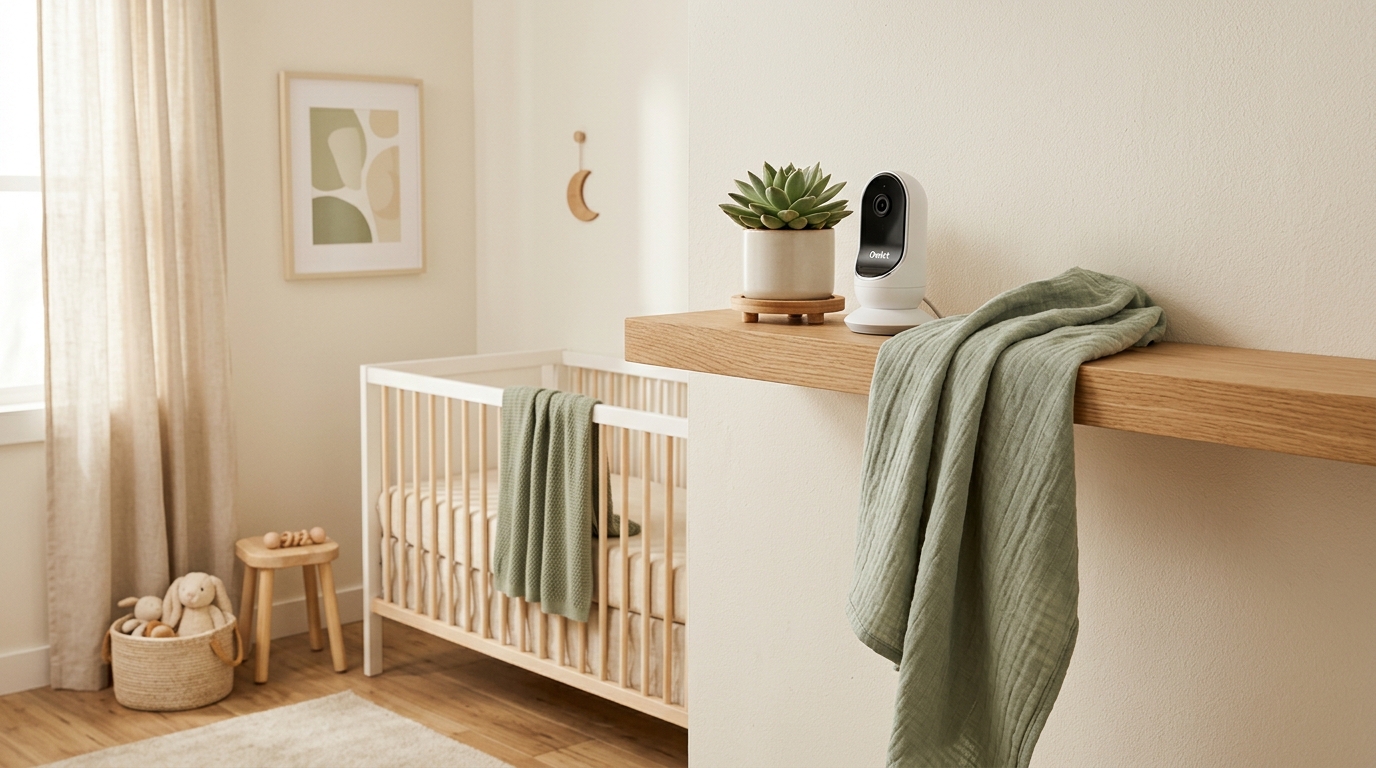
  • The Best Baby Monitors of 2026: Honest Reviews for New Parents

    The Best Baby Monitors of 2026: Honest Reviews for New Parents

    Buying a baby monitor in 2026 feels like buying a small surveillance system for your nursery — because, honestly, that’s kind of what it is. The options range from a $40 audio-only walkie-talkie to a $400+ smart monitor with AI sleep tracking, breathing analysis, and the ability to tell you your baby’s sleep quality score to two decimal places.

    The question isn’t whether you need a baby monitor (you almost certainly do, unless you plan to stand over the crib 24/7, which — don’t). The question is how much tech you actually need versus how much is marketing.

    We researched the top monitors on the market, analyzed parent reviews, compared features side by side, and cut through the hype to bring you honest picks at every price point. No sponsorships. No fluff. Just the monitors that are actually worth your money.

    Quick note: This article contains affiliate links. If you purchase through our links, we may earn a small commission at no extra cost to you. We only recommend products we genuinely believe in.

    What to Look for in a Baby Monitor (Before You Buy Anything)

    Before we get to specific products, here’s what actually matters — and what’s just a nice-to-have:

    The Non-Negotiables

    Video quality: You want at least 720p, ideally 1080p. You need to be able to clearly see your baby, especially in the dark (night vision is standard on all modern monitors, but quality varies).

    Reliability: The monitor needs to work consistently. A monitor that drops connection, lags, or crashes the app at 2 AM is worse than no monitor at all. This is where parent reviews matter more than spec sheets.

    Night vision: Your baby sleeps in the dark (hopefully). Night vision should be clear, high-contrast, and not so bright that it disturbs sleep. Most modern monitors use infrared, which is invisible to the baby.

    Two-way audio: Being able to talk to your baby (or shush them) remotely is genuinely useful, especially if you’re trying to soothe them back to sleep without going into the room.

    Range or WiFi stability: If you choose a non-WiFi monitor, range matters — you need it to work from anywhere in your house. If you choose WiFi, your home network needs to be solid.

    Nice-to-Have (But Not Essential)

    Sleep tracking and analytics: Smart monitors can track sleep duration, patterns, and wake windows. Helpful for some parents, anxiety-inducing for others. Know which type you are.

    Breathing/movement monitoring: Some monitors (like Owlet) track breathing patterns or blood oxygen levels. These can provide peace of mind but also generate false alarms. The AAP doesn’t recommend home cardiorespiratory monitors for healthy infants as a strategy to prevent SIDS — but many parents find them reassuring.

    Temperature and humidity sensors: Useful for keeping the nursery comfortable, but you can also buy a $10 standalone thermometer.

    Multi-camera support: Important if you have more than one child or want cameras in multiple rooms.

    Pan, tilt, and zoom: Lets you move the camera remotely to follow your baby around the crib. Nice, but a well-positioned wide-angle camera often eliminates the need.

    WiFi vs. Non-WiFi: The Big Decision

    This is the first fork in the road, and it matters:

    WiFi monitors connect to your home network and stream to your phone via an app. Pros: You can check in from anywhere (work, a restaurant, grandma’s house), they tend to have more features (sleep tracking, AI analysis), and they often have better cameras. Cons: They depend on your WiFi (if it goes down, so does your monitor), there are potential security/privacy concerns, and some require subscriptions for full features.

    Non-WiFi (dedicated) monitors come with their own receiver/screen and use a direct wireless signal. Pros: They work independently of your internet, there’s no app to deal with, no subscription fees, no hacking concerns, and they tend to be simpler to use. Cons: Limited range, you have to carry the receiver around, and fewer smart features.

    Our take: WiFi monitors offer more flexibility and features, but non-WiFi monitors are more reliable and simpler. If your WiFi is solid and you want smart features, go WiFi. If you just want something that works without fuss, go non-WiFi.

    Our Top Picks

    🏆 Best Overall: Nanit Pro Smart Baby Monitor

    Price: ~$230 (camera + wall mount)

    Type: WiFi

    Camera: 1080p HD, 130° wide angle

    Night vision: Yes (clear, high-contrast)

    Two-way audio: Yes

    Sleep tracking: Yes (Nanit Insights — included free for basic tracking)

    Subscription: Optional Nanit Pro plan ($100/year or $10/month) for extended features, sleep analytics, and unlimited video history

    Why we picked it: The Nanit Pro is the most-recommended smart baby monitor for a reason. The camera quality is excellent — 1080p with a wide 130-degree angle means you can see the entire crib without pan-and-tilt. Night vision is sharp enough to see your baby’s breathing movements clearly.

    The Nanit Insights sleep tracking is where it really differentiates. Using the camera (no wearable required), it tracks your baby’s sleep duration, quality, and patterns — and gives you actionable sleep tips. It’s like having a sleep consultant living in your nursery. The basic sleep tracking is free; the full analytics require a subscription.

    Setup is straightforward (wall mount or floor stand), and the app is well-designed and responsive. Split-screen support lets you monitor multiple rooms if you add a second camera.

    The catch: You’re locked into the Nanit ecosystem, and the subscription adds ongoing cost if you want the premium features. WiFi dependency means if your internet drops at 3 AM, so does your feed. Some parents also find the sleep data anxiety-inducing rather than helpful — know yourself.

    Best for: Tech-comfortable parents who want data and insights, not just video.


    📱 Best Video-Only (No WiFi): Babysense MaxView Pro

    Price: ~$160 (with 2 cameras)

    Type: Non-WiFi (dedicated 5″ screen)

    Camera: 1080p HD, 360° pan, 90° tilt

    Night vision: Yes

    Two-way audio: Yes

    Sleep tracking: No

    Subscription: None

    Why we picked it: If you don’t want WiFi involved in monitoring your baby — whether for privacy, reliability, or simplicity reasons — the Babysense MaxView Pro is the best option we’ve found. It comes with a dedicated 5-inch screen (no phone needed), and the image quality is surprisingly sharp for a non-WiFi monitor.

    The 360-degree pan and 90-degree tilt mean you can move the camera to follow your baby anywhere in the crib from the parent unit. It also comes with two cameras and split-screen capability, which is a genuine value for the price. The 1,000-foot range is more than enough for most homes.

    The catch: No smart features, no sleep tracking, no remote access from outside your home. You have to carry the parent unit with you. It’s a monitor and only a monitor — which is either a limitation or a feature, depending on your perspective.

    Best for: Parents who want reliable, simple monitoring without WiFi, apps, or subscriptions.


    💚 Best for Anxious Parents: Owlet Dream Duo 2 (Smart Sock + Cam)

    Price: ~$380 (sock + camera bundle)

    Type: WiFi

    Camera: 1080p HD, 130° wide angle

    Night vision: Yes

    Two-way audio: Yes

    Sleep tracking: Yes (with physiological data from sock)

    Health tracking: Heart rate and blood oxygen level (via Dream Sock)

    Subscription: Optional Owlet Dream app features ($5–10/month depending on tier)

    Why we picked it: The Owlet Dream Duo combines a camera with the Dream Sock — a wearable that wraps around your baby’s foot and tracks heart rate and blood oxygen levels in real time. For parents who struggle with anxiety around SIDS or breathing issues, this level of data can be genuinely reassuring.

    The Dream Sock sends notifications if readings fall outside preset zones, giving you an early alert system. The camera is solid (1080p, good night vision, two-way audio), and the app combines video feed with the sock’s health data in one view.

    The entire bundle is also HSA/FSA eligible, which means if you have a health savings account, this might effectively be discounted.

    The catch: The AAP does not recommend home cardiorespiratory monitors for preventing SIDS in healthy infants. The Owlet is a wellness device, not a medical device (though it has FDA clearance for pulse oximetry). False alarms happen, and for some parents, the constant data stream creates more anxiety rather than less. The sock also only works for babies up to about 18 months and roughly 30 pounds.

    Best for: Parents who want physiological data for peace of mind, and who won’t be sent spiraling by occasional false alerts.


    💰 Best Budget: HelloBaby HB6550

    Price: ~$60

    Type: Non-WiFi (dedicated 5″ screen)

    Camera: 720p, manual pan/tilt

    Night vision: Yes

    Two-way audio: Yes

    Sleep tracking: No

    Temperature sensor: Yes

    Subscription: None

    Why we picked it: Under $60 for a monitor that actually works well is remarkable. The HelloBaby HB6550 has been a top-selling budget monitor for years, and for good reason. The 5-inch screen is clear enough, night vision works, two-way audio works, and the built-in temperature sensor lets you keep tabs on nursery conditions.

    It’s dead simple. Plug in the camera, turn on the receiver, done. No app, no WiFi, no account creation, no subscription. It just works.

    The catch: Image quality is 720p, which is noticeably softer than 1080p models. No smart features of any kind. The range (960 feet claimed) is adequate for most homes but may struggle with thick walls or large houses. The interface and build quality feel budget — because they are.

    Best for: Parents who want a functional monitor at the lowest possible price, without frills.


    🔋 Best Portable / Travel: Nanit Pro Travel Stand Bundle

    Price: ~$280 (camera + travel stand + wall mount)

    Type: WiFi

    Camera: 1080p HD (same camera as standard Nanit Pro)

    Night vision: Yes

    Portability: Foldable travel stand, snap-on/snap-off camera

    Why we picked it: Traveling with a baby is already a logistical puzzle. The Nanit Pro with the travel stand lets you bring your entire monitoring setup on the road — grandma’s house, vacation rental, hotel room. The travel stand is lightweight and folds flat, and the camera snaps on and off the base in seconds.

    Because it’s the same Nanit Pro camera, you get all the same features (1080p, sleep tracking, two-way audio) in a portable format. If you already own a Nanit at home, you can buy just the travel stand separately.

    The catch: Requires WiFi wherever you’re traveling, which isn’t always reliable (looking at you, vacation rentals). It’s also a premium price for what is essentially the standard Nanit with an extra stand. If you’re not already in the Nanit ecosystem, this is an expensive entry point.

    Best for: Parents who travel frequently and want a consistent monitoring experience away from home.


    🔇 Best Audio-Only: VTech DM221

    Price: ~$30

    Type: Non-WiFi (DECT audio)

    Camera: None

    Two-way audio: Yes

    Night light: Yes (on nursery unit)

    Range: 1,000 feet

    Subscription: None

    Why we picked it: Sometimes all you need is to hear your baby. The VTech DM221 is a simple, reliable audio monitor that does exactly one thing and does it well. DECT technology means clear, secure audio with zero interference. The range is excellent, battery life on the portable parent unit is solid, and it includes a nightlight on the nursery unit.

    At ~$30, it’s practically an impulse buy — and a great backup to have even if you own a video monitor (WiFi goes down? Audio monitor still works).

    The catch: No video. In 2026, that feels like a significant limitation for most parents. You can hear your baby cry, but you can’t see what’s happening. For many people, the peace of mind of being able to see their baby is worth the upgrade to video.

    Best for: Minimalists, backup monitor situations, or parents who prefer audio and check visually in person.


    📊 Best Smart Features: Cradlewise 2

    Price: ~$1,800 (it’s a smart crib — monitor built in)

    Type: WiFi

    Camera: 1080p HD with AI

    Night vision: Yes

    Unique feature: Built-in crib with automatic bouncing to soothe baby back to sleep

    Sleep tracking: Yes (AI-powered, integrated with crib function)

    Subscription: None (included with purchase)

    Why we picked it: Okay, this is a splurge. The Cradlewise 2 isn’t just a baby monitor — it’s a smart bassinet-to-crib with a built-in 1080p camera and AI that detects when your baby is starting to wake up and automatically bounces them back to sleep. If it works for your baby (and it won’t work for every baby), it’s essentially an extra pair of hands during the night.

    The AI learns your baby’s sleep patterns and gets better over time at predicting and preventing wake-ups. The built-in monitor gives you video, audio, sleep tracking, and environmental data — no separate device needed.

    The catch: The price. At ~$1,800, this is a significant investment, and if your baby doesn’t respond to the bouncing motion, you’ve spent a lot on a very fancy crib with a monitor in it. It’s also WiFi-dependent, and some parents report a learning curve with the app.

    Best for: Parents with the budget who want an all-in-one smart nursery solution and are okay with the risk that it might not suit their baby’s preferences.

    Quick Comparison Chart

    | Monitor | Type | Price | Resolution | Sleep Tracking | Subscription | Best For | |———|——|——-|————|—————-|————-|———-| | Nanit Pro | WiFi | ~$230 | 1080p | Yes (camera) | Optional ($100/yr) | Best overall | | Babysense MaxView Pro | Non-WiFi | ~$160 | 1080p | No | None | Reliability + simplicity | | Owlet Dream Duo 2 | WiFi | ~$380 | 1080p | Yes + health data | Optional ($5–10/mo) | Anxious parents | | HelloBaby HB6550 | Non-WiFi | ~$60 | 720p | No | None | Budget | | Nanit Pro Travel | WiFi | ~$280 | 1080p | Yes | Optional ($100/yr) | Traveling families | | VTech DM221 | Audio | ~$30 | N/A | No | None | Backup / minimalist | | Cradlewise 2 | Smart Crib | ~$1,800 | 1080p | Yes (AI) | None | All-in-one splurge |

    How to Decide: A Decision Tree

    Still not sure? Here’s the fast track:

    How important is viewing your baby from your phone (anywhere)?

    • Very important → WiFi monitor (Nanit Pro or Owlet)
    • Not important → Non-WiFi monitor (Babysense or HelloBaby)
    • I just need to hear them → Audio monitor (VTech DM221)

    How important is sleep tracking and data?

    • I want all the data → Nanit Pro or Cradlewise 2
    • I want health/vital data → Owlet Dream Duo 2
    • I don’t need data → Babysense MaxView Pro

    What’s your budget?

    • Under $75 → HelloBaby HB6550 or VTech DM221
    • $150–$250 → Babysense MaxView Pro or Nanit Pro
    • $250–$400 → Nanit Pro Travel or Owlet Dream Duo 2
    • Money is not the primary concern → Cradlewise 2

    Do you travel a lot with baby?

    • Yes → Nanit Pro Travel Stand Bundle
    • No → Any of the above based on other preferences

    What About Security and Privacy?

    This is a legitimate concern — WiFi baby monitors have been in the news for security vulnerabilities over the years. Here’s what to know:

    For WiFi monitors:

    • Choose monitors from established brands with a track record of security updates (Nanit and Owlet both use end-to-end encryption)
    • Keep your monitor’s firmware updated
    • Use a strong, unique WiFi password
    • Enable two-factor authentication on the monitor’s app if available
    • Consider putting the monitor on a separate network or IoT VLAN if you’re tech-savvy

    For non-WiFi monitors:

    • Security is a non-issue — they use direct, encrypted radio signals that aren’t accessible via the internet

    If privacy is a top concern and you don’t want any video of your baby transmitted over the internet, a non-WiFi monitor eliminates the risk entirely.

    The Bottom Line

    You don’t need the most expensive baby monitor on the market to be a great parent. You need one that works reliably, shows you your baby clearly, and fits your life.

    For most new parents, the Nanit Pro offers the best combination of quality, features, and value. If you prefer simplicity and reliability without WiFi, the Babysense MaxView Pro is excellent. And if your budget is tight, the HelloBaby HB6550 proves you don’t need to spend hundreds to keep an eye on your baby.

    Whatever you choose, the most important thing is this: a baby monitor is a tool to help you rest when your baby rests. If it’s doing that, it’s doing its job.


    Prices are approximate and may vary by retailer. All products were researched and evaluated based on specifications, expert reviews, and parent feedback as of March 2026.

    This article contains affiliate links. If you purchase through our links, we may earn a small commission at no extra cost to you. Our recommendations are always based on genuine merit.

    Read more from Expectant:

  • Pregnancy Anxiety Is Normal — Here’s What Actually Helps

    Pregnancy Anxiety Is Normal — Here’s What Actually Helps

    It’s 2 AM. You’re wide awake, staring at the ceiling, running through a mental checklist of everything that could possibly go wrong. Is the baby moving enough? Is that pain normal? What if something happens at the appointment tomorrow? What if you’re not ready for this? What if nobody is ever ready for this?

    If this sounds familiar, here’s the first thing you need to hear: you are not broken, and you are not alone.

    Anxiety during pregnancy is one of the most common experiences that nobody talks about openly. While the world focuses on baby showers and nursery reveals, millions of pregnant people are quietly dealing with racing thoughts, worst-case scenarios, and a level of worry that feels impossible to turn off.

    This guide won’t tell you to “just relax” (because that’s never once worked in the history of telling someone to relax). Instead, we’ll talk about why pregnancy anxiety happens, when it’s normal versus when to get help, and evidence-based strategies that actually make a difference.

    How Common Is Pregnancy Anxiety? (Very.)

    Let’s start with the numbers, because they matter:

    • 1 in 5 pregnant people (roughly 20%) experience at least one anxiety disorder during pregnancy, according to a 2019 meta-analysis published in the Journal of Clinical Psychiatry
    • Anxiety is more common during pregnancy than depression, yet it receives far less attention
    • The American College of Obstetricians and Gynecologists (ACOG) has recommended screening for anxiety during pregnancy since 2015
    • Many people with perinatal anxiety go undiagnosed and untreated — partly because anxiety symptoms overlap with normal pregnancy symptoms, and partly because there’s a cultural expectation that pregnancy should be a purely happy time

    Here’s the truth: worrying about your baby’s health, your changing body, labor and delivery, finances, relationships, your career, and your entire identity as a person — all at once — is a completely rational response to one of the biggest life changes a human can experience.

    The question isn’t whether you’ll feel anxious during pregnancy. It’s whether the anxiety is manageable or whether it’s taken over.

    Normal Worry vs. Something More

    Distinguishing between typical pregnancy worry and a clinical anxiety disorder isn’t always straightforward. But here’s a general framework:

    Normal Pregnancy Worry Looks Like:

    • Concern about the baby’s health that comes and goes
    • Nervousness about labor and delivery
    • Occasional “what if” thoughts that you can set aside
    • Worry before appointments that resolves after reassurance
    • Feeling emotional or overwhelmed at times, but still functioning day-to-day
    • Googling symptoms occasionally (we all do it)

    Anxiety That Needs Attention Looks Like:

    • Persistent, intrusive worry that you can’t control or turn off — it occupies most of your waking thoughts
    • Physical symptoms: racing heart, shortness of breath (beyond what’s explained by pregnancy), chest tightness, nausea, trembling, dizziness, muscle tension
    • Avoidance behavior: skipping prenatal appointments out of fear of bad news, avoiding certain activities, refusing to set up the nursery because it feels like “jinxing” things
    • Sleep disruption beyond normal pregnancy insomnia — lying awake with racing thoughts, unable to fall asleep even when exhausted
    • Panic attacks: sudden, overwhelming episodes of fear with physical symptoms like a pounding heart, trouble breathing, sweating, or feeling like something terrible is about to happen
    • Impact on daily functioning: difficulty working, maintaining relationships, eating, or taking care of yourself
    • Catastrophic thinking: an inability to consider outcomes other than the worst-case scenario
    • Compulsive reassurance-seeking: needing to check the baby’s heartbeat multiple times a day, calling your provider repeatedly for the same concern, spending hours reading about complications

    If any of these describe you, that’s not a character flaw — it’s a treatable condition. And you deserve support.

    Why Pregnancy Makes Anxiety Worse

    There are real, biological, and psychological reasons why pregnancy can intensify anxiety — even in people who’ve never experienced it before:

    Hormonal Shifts

    Pregnancy involves massive changes in estrogen, progesterone, cortisol, and other hormones. These directly affect neurotransmitter systems in the brain, including serotonin and GABA — the same systems involved in anxiety regulation. Your brain chemistry is literally different during pregnancy, and that affects how you process fear and worry.

    Loss of Control

    Pregnancy involves a fundamental loss of control over your body, your schedule, and your future. For people who manage stress by planning and controlling outcomes, this can be deeply destabilizing. You can’t control how the baby develops. You can’t guarantee a specific birth outcome. You can’t plan for every scenario. And for anxious minds, that uncertainty is fuel.

    Hypervigilance Is Adaptive (Up to a Point)

    From an evolutionary perspective, being hyper-aware of potential threats to your offspring makes sense. Your brain is doing what it evolved to do — scanning for danger to protect your baby. The problem is that in the modern world, “scanning for danger” often looks like doom-scrolling medical forums at midnight.

    The Stakes Feel Higher

    When the thing you’re worried about is your child’s wellbeing, the emotional weight is enormous. Normal worry gets amplified because what you love most is the thing at risk.

    Prior Loss or Trauma

    If you’ve experienced a previous miscarriage, pregnancy loss, fertility struggles, or any kind of trauma, pregnancy can reactivate those fears. Anxiety after loss is extremely common and deserves specific, compassionate support. You’re not being dramatic — you’re carrying more than one pregnancy’s worth of emotion.

    Societal Pressure

    The cultural narrative around pregnancy — that it should be magical, that you should be grateful every minute, that worry means you’re not enjoying it — adds guilt on top of anxiety. You end up anxious about being anxious, which is its own special hell.

    What Actually Helps: Evidence-Based Strategies

    Here’s the practical part. These strategies are backed by research and recommended by mental health professionals who specialize in perinatal care.

    1. Name It to Tame It

    This sounds simple, but it’s neuroscience-backed. When you notice anxiety building, try to label what you’re feeling with specificity:

    Instead of: “I’m freaking out” Try: “I’m feeling scared that something will go wrong at tomorrow’s appointment because the last one was stressful”

    Research by UCLA psychologist Matthew Lieberman shows that putting emotions into words reduces activity in the amygdala (the brain’s fear center). Naming the anxiety gives your prefrontal cortex — the rational part of your brain — a chance to come online.

    2. The 5-4-3-2-1 Grounding Technique

    When anxiety feels like it’s spiraling, this sensory grounding exercise can pull you back to the present:

    • 5 things you can see
    • 4 things you can touch
    • 3 things you can hear
    • 2 things you can smell
    • 1 thing you can taste

    This works because anxiety lives in the future — it’s about what might happen. Grounding brings you back to what’s actually happening right now, which is usually okay.

    3. Set “Worry Windows”

    Instead of trying to eliminate worry entirely (which doesn’t work and creates more anxiety), give yourself a designated 15-minute window once or twice a day to worry intentionally. Write down your concerns, sit with them, and then consciously close the window.

    The rest of the day, when anxious thoughts arise, you can tell yourself: “I’ll think about this during my worry window.” This isn’t suppression — it’s containment. It’s the difference between anxiety running your day and anxiety having a seat at the table on your terms.

    4. Move Your Body

    Exercise is one of the most effective anxiety-reduction tools we have — pregnant or not. Physical activity releases endorphins, reduces cortisol, and provides a healthy outlet for nervous energy.

    You don’t need to run a marathon. Research shows that even 30 minutes of moderate walking can significantly reduce anxiety symptoms. Prenatal yoga is particularly effective because it combines movement with breathwork and mindfulness.

    The key is consistency. A daily walk does more for anxiety than an occasional intense workout.

    5. Breathwork (Specifically, Extended Exhales)

    Breathing exercises get recommended so often that they might sound like clichéd advice. But the specific technique matters:

    Extended exhale breathing: Breathe in for 4 counts, then breathe out for 6–8 counts. The extended exhale activates your parasympathetic nervous system (the “rest and digest” system), which directly counteracts the fight-or-flight response that anxiety triggers.

    Practice this for 5 minutes a day, even when you’re not anxious. Building the habit means it’s easier to access when you need it most.

    6. Limit the Information Firehose

    The internet is both a gift and a curse for anxious pregnant people. Some boundaries that help:

    • Set a Googling limit — 10 minutes max, then close the browser. No exceptions
    • Curate your social media — unfollow accounts that make you compare or worry. Follow ones that make you feel supported (we try to be one of those)
    • Choose one or two trusted pregnancy resources and stick with them. Your OB or midwife + one evidence-based website (ACOG, Mayo Clinic, or Cleveland Clinic) is enough
    • Skip the birth horror stories — you don’t need them, and they don’t prepare you. They just add fuel to the anxiety

    7. Talk About It (Out Loud, to Another Human)

    Anxiety thrives in silence. Telling your partner, a friend, or your healthcare provider what you’re going through does two things:

    1. It breaks the isolation that anxiety creates
    2. It allows other people to support you in concrete ways

    Some conversation starters if you’re not sure how to bring it up:

    • “I’ve been feeling really anxious about the pregnancy, and I could use some support”
    • “I don’t need you to fix it — I just need you to know what’s going on”
    • “Can you come to the next appointment with me? I’ve been nervous about going alone”

    8. Consider Professional Support

    If anxiety is significantly impacting your daily life, professional help isn’t a luxury — it’s healthcare. Options include:

    Cognitive Behavioral Therapy (CBT): The gold standard for anxiety treatment. CBT helps you identify and reframe thought patterns that drive anxiety. It’s highly effective during pregnancy and has no side effects.

    Perinatal-specific therapists: Look for therapists who specialize in reproductive mental health. They understand the unique landscape of pregnancy anxiety in ways that general therapists might not. Postpartum Support International (postpartum.net) maintains a directory.

    Medication: If therapy alone isn’t enough, certain medications can be safely used during pregnancy. SSRIs like sertraline (Zoloft) have the most safety data during pregnancy and are commonly prescribed. This is a conversation to have with your OB or a reproductive psychiatrist — not a decision to make alone based on internet research.

    Support groups: Hearing from other people who understand what you’re going through can be profoundly normalizing. Many are available online.

    What Partners Can Do

    If you’re the partner of someone experiencing pregnancy anxiety, here are concrete ways to help:

    • Don’t minimize it. “Just relax” and “everything will be fine” — however well-intentioned — can feel dismissive. Instead try: “That sounds really hard. What do you need right now?”
    • Learn the signs. If your partner is avoiding appointments, not sleeping, or seems consumed by worry, gently bring it up
    • Attend appointments together when possible — it provides reassurance and shared experience
    • Take things off their plate. Anxiety uses up enormous mental energy. Anything you can handle — decisions, logistics, household tasks — reduces the load
    • Be patient with reassurance needs. Your partner may ask the same “is this normal?” question multiple times. That’s the anxiety talking, not a lack of trust in your previous answer
    • Suggest professional help if needed — frame it as strength, not weakness. “I think talking to someone could really help” is a loving thing to say

    The Permission You Might Need

    Here it is, in case nobody else has said it:

    You’re allowed to be anxious and still be a good parent. In fact, caring this much about your baby’s wellbeing is evidence of exactly the kind of love that makes a good parent.

    Anxiety doesn’t mean you’re ungrateful. It doesn’t mean you’re not enjoying your pregnancy. It doesn’t mean you’re doing something wrong. It means you’re a human being going through one of the most significant experiences of your life, and your brain is doing overtime trying to keep everyone safe.

    If the anxiety is manageable, the strategies above can help you ride the waves. If it’s not manageable, help exists — and reaching out for it is one of the bravest things you can do for yourself and your baby.

    You’re not alone in this. Not even close.


    Resources:

    • Postpartum Support International Helpline: 1-800-944-4773 (call or text)
    • Crisis Text Line: Text HOME to 741741
    • SAMHSA National Helpline: 1-800-662-4357

    This article is for informational purposes only and does not replace professional medical advice. If you’re experiencing severe anxiety, panic attacks, or thoughts of harming yourself, please contact your healthcare provider or the resources listed above immediately.

    Read more from Expectant:

  • Hospital Bag Checklist: What You Actually Need (and What’s a Waste of Space)

    Hospital Bag Checklist: What You Actually Need (and What’s a Waste of Space)

    You’ve been staring at hospital bag checklists on Pinterest that include 47 items, a ring light, matching robes, and something called a “labor playlist curated by trimester.” Meanwhile, you’re 35 weeks pregnant, your back hurts, and you just want someone to tell you what actually matters.

    Consider this that list.

    We talked to parents who’ve recently been through labor and delivery, consulted with L&D nurses, and cross-referenced every overpacked Instagram bag with the reality of what you’ll actually use in a hospital room. The result: a straightforward checklist that covers what you need, what’s nice to have, and what you can leave at home — because the hospital provides more than you think.

    When to Pack Your Hospital Bag

    Pack your bag between weeks 35 and 37. If you’re high-risk or your provider has mentioned the possibility of early delivery, aim for week 33 or 34.

    Here’s why earlier is better: about 10% of babies arrive before their due date. You do not want to be throwing things into a duffel bag between contractions at 3 AM. Pack it, put it by the door, and forget about it until go time.

    Pro tip: Pack a separate “first stage” bag with items you’ll want during active labor, and a larger bag with recovery and going-home items. That way you’re not digging through a suitcase while trying to breathe through contractions.

    The Non-Negotiables (Don’t Leave Home Without These)

    These are the items every person needs regardless of birth plan, hospital, or personal style:

    Documents and Logistics

    • [ ] Photo ID and insurance card — the hospital will ask for these at check-in
    • [ ] Hospital pre-registration paperwork (if required — many hospitals let you pre-register online)
    • [ ] Birth plan or preferences sheet (one page, max — more on this in our birth plan guide)
    • [ ] Phone and charger — you’ll use your phone way more than you think (timing contractions, texting updates, middle-of-the-night Googling, taking a million photos)
    • [ ] A long charging cable (6+ feet) — hospital outlets are never where you need them
    • [ ] Car seat, properly installed — the hospital will not let you leave without one. Install it before you go into labor. Not during. Before.

    For Labor and Delivery

    • [ ] Lip balm — hospitals are dry, and if you’re breathing through your mouth during labor, your lips will crack. This sounds minor. It is not. Every L&D nurse we talked to listed this in their top 5.
    • [ ] Hair ties and/or headband — you want your hair out of your face during labor, period
    • [ ] Warm socks with grips — hospital floors are cold, hospital socks are thin. Bring your own. The grip part matters because you may be walking the halls during early labor, and nobody wants to slip
    • [ ] Your own pillow (in a non-white pillowcase so it doesn’t get mixed in with hospital linens) — hospital pillows are flat and covered in plastic
    • [ ] Glasses or contacts — if you wear them, pack them. You want to see your baby being born

    For Recovery

    • [ ] Comfortable going-home outfit — think elastic waistband, soft fabric, easy to pull on. You’ll still look about 6 months pregnant when you leave. Leggings or joggers with a loose top are the standard play
    • [ ] Nursing bra or comfortable bralette — even if you’re not planning to breastfeed, your chest will need support
    • [ ] Underwear you don’t care about — dark-colored, roomy, high-waisted. The mesh underwear the hospital provides is honestly great, but bring backup. Some people swear by disposable postpartum underwear (Frida Mom makes popular ones)
    • [ ] Basic toiletries — toothbrush, toothpaste, deodorant, face wash, dry shampoo. Hotels aren’t the only places where you’ll want your own products. You will not wash your hair for days and that’s fine

    For Baby

    • [ ] Going-home outfit — one outfit in newborn size AND one in 0–3 months (because newborn sizing is a guess until the baby is here)
    • [ ] Swaddle blanket or bunting for the car seat — weather-appropriate for the ride home
    • [ ] Snap or zip onesies for the hospital stay — 2 to 3 is plenty. Hospitals provide basic shirts and blankets, but you might want your own

    The “Worth Packing” List (Nice but Not Critical)

    These items make the hospital stay more comfortable but won’t cause a crisis if forgotten:

    Comfort Items

    • [ ] Your own towel — hospital towels are thin and scratchy. If you want a real shower experience after delivery, bring one from home
    • [ ] Robe or zip-up hoodie — easier than a hospital gown for skin-to-skin contact and moving around the room. Choose something you can open from the front
    • [ ] Shower shoes or flip flops — for the hospital shower. You’ve been warned
    • [ ] Eye mask and ear plugs — hospitals are loud. Vital signs get checked at all hours. Roommates (if you’re not in a private room) exist. Sleep is already scarce; give yourself every advantage
    • [ ] Nursing pillow — if you plan to breastfeed, this makes positioning so much easier in those early feeds. The hospital will have regular pillows, but a Boppy or My Brest Friend can be worth the bag space
    • [ ] Nipple cream — if breastfeeding, your nipples will likely get sore fast. Lanolin or an organic nipple balm (Motherlove and Earth Mama make popular ones) applied between feeds can help. The hospital lactation consultant may provide some, but having your own means you’re not waiting

    Entertainment and Emotional Support

    • [ ] Snacks — labor can take a long time, and hospital food has a reputation for a reason. Pack protein bars, trail mix, dried fruit, crackers, honey sticks, or whatever sounds good to future-you. Your partner will also need to eat, and the cafeteria closes
    • [ ] Water bottle with a straw — hydration matters enormously during and after labor. A straw is key because you might be lying down or in positions where tipping a bottle isn’t happening
    • [ ] Book, magazine, or downloaded shows — early labor can involve a lot of waiting. Hospital WiFi is not Netflix-reliable
    • [ ] Bluetooth speaker (small) — for music during labor, if that’s your thing. Keep the volume considerate
    • [ ] Something meaningful — a photo, a letter, a memento from a loved one. Labor is intense. Having something grounding can help

    For the Photo-Conscious

    • [ ] Outfit for baby’s first photos — if matching-family-in-the-hospital-bed photos are important to you, plan ahead. Most people don’t care in the moment, but some do, and that’s perfectly valid
    • [ ] Portable phone charger / power bank — because you’ll be taking 400 photos and your phone will die

    What to Pack for Your Partner or Support Person

    Your birth partner needs their own bag. Here’s what goes in it:

    • [ ] Change of clothes (at least one full outfit, ideally two) — labor can last 12+ hours. Your partner might get various fluids on them. Layers are smart
    • [ ] Comfortable shoes — they’ll be standing, walking, and possibly supporting your weight
    • [ ] Toiletries — deodorant, toothbrush, face wash
    • [ ] Phone and charger
    • [ ] Cash or card — for vending machines, cafeteria, parking
    • [ ] Snacks — plural, substantial snacks. Nobody’s at their best when hungry during a high-stress situation
    • [ ] Entertainment for waiting — book, tablet, headphones (for when you’re resting or in early labor)
    • [ ] Pillow and light blanket — the partner chair/couch in hospital rooms is not designed for comfort
    • [ ] A positive attitude and patience — not packable, but worth mentioning

    What to Leave at Home

    This is where most hospital bag lists go off the rails. Here’s what the hospital provides or what you genuinely don’t need:

    The Hospital Usually Provides:

    • Diapers and wipes for baby (for your entire stay)
    • Newborn hats and swaddle blankets
    • Disposable mesh underwear for you (surprisingly beloved)
    • Maxi pads for postpartum bleeding
    • Peri bottle (the squirt bottle for cleaning after delivery — game changer)
    • Ice packs and witch hazel pads for perineal care
    • Basic nursing supplies if breastfeeding
    • Formula if needed
    • Medications as prescribed
    • Sitz bath supplies (some hospitals)

    Skip These:

    • Your entire wardrobe — you need 1–2 outfits, max. You’ll mostly be in a hospital gown or robe
    • Expensive jewelry — leave it home. Things get lost in hospitals
    • A giant duffel bag — one medium bag + one small labor bag is ideal. You’re not moving in
    • White or light-colored anything — postpartum bleeding is no joke. Dark colors are your friend
    • Books about labor — if you haven’t read them by now, you’re not going to read them between contractions
    • An aromatherapy diffuser — most hospitals don’t allow them (fire hazard, shared spaces). Essential oil roller balls or a scented hand lotion are alternatives
    • A birth ball — most hospitals have them. Call ahead to confirm rather than lugging yours in
    • A ring light — unless you’re a content creator by profession, please leave this at home

    The Printable Checklist

    Here’s everything in one clean list you can print, screenshot, or tape to your fridge:

    🏥 Must-Have: Documents & Logistics

    • Photo ID + insurance card
    • Pre-registration paperwork
    • Birth preferences (1 page)
    • Phone + extra-long charger
    • Installed car seat

    🤰 Must-Have: Labor & Delivery

    • Lip balm
    • Hair ties / headband
    • Grip socks
    • Your own pillow (non-white case)
    • Glasses / contacts

    💊 Must-Have: Recovery

    • Going-home outfit (elastic waist)
    • Nursing bra / bralette
    • Dark, roomy underwear
    • Basic toiletries (toothbrush, deodorant, face wash, dry shampoo)

    👶 Must-Have: Baby

    • Going-home outfit (newborn + 0–3 months sizes)
    • Swaddle / blanket / bunting
    • 2–3 onesies (snap or zip)

    ✨ Nice-to-Have

    • Your own towel
    • Robe or zip hoodie
    • Shower shoes
    • Eye mask + ear plugs
    • Nursing pillow + nipple cream
    • Snacks (lots)
    • Water bottle with straw
    • Entertainment (downloads > WiFi)
    • Small speaker
    • Portable phone charger

    🧑 Partner’s Bag

    • Change of clothes (×2)
    • Comfortable shoes
    • Toiletries
    • Phone + charger
    • Cash / card
    • Snacks
    • Pillow + light blanket
    • Entertainment

    A Few Final Tips from Parents Who’ve Been There

    “Pack less than you think.” Almost every parent we talked to said they overpacked. The hospital provides more than you expect, and you can always send someone home for forgotten items.

    “The snacks were the MVP.” More parents mentioned snacks as the most important item than any other single thing on their list.

    “I wore the same outfit for three days and did not care.” The bar for personal presentation drops to zero once you’ve given birth. This is not the time for a curated aesthetic. This is the time for the softest pants you own.

    “Bring a nightlight.” A few parents mentioned this — something dim enough to see by during nighttime feeds without turning on the overhead fluorescent lights.

    “Test the car seat before you go.” Install it. Practice buckling it. Make sure you know how it works. You do not want to figure this out in the hospital parking lot with a screaming newborn.

    “I wish someone had told me to pack for a potential C-section.” If your birth plan changes and you end up with a C-section, you’ll want high-waisted, very soft underwear and pants that don’t hit your incision line. Packing one pair of high-waisted recovery underwear just in case is smart.

    When It’s Go Time

    Your bag is packed. The car seat is installed. The charger is extra-long.

    Now you wait. (The fun part.)

    When labor starts — whether it’s a dramatic water-breaking moment or a slow build of contractions over hours — grab the bag, grab your partner, and go meet your baby.

    Everything else? You’ll figure it out. Parents have been doing this since the beginning of humans, and most of them packed even less than you.

    You’re ready.


    Want a downloadable PDF version of this checklist? Sign up for the Expectant newsletter and we’ll send it straight to your inbox — along with weekly guides, honest product picks, and the kind of pregnancy content that actually helps.

    This article is for informational purposes only and does not replace professional medical advice. Always consult your healthcare provider with questions about your pregnancy.

    Read more from Expectant:

  • Your Second Trimester: When Pregnancy Finally Starts to Feel Good

    Your Second Trimester: When Pregnancy Finally Starts to Feel Good

    If the first trimester was the part of pregnancy you survived, the second trimester is the part you might actually enjoy. Welcome to weeks 13 through 27 — often called the “honeymoon trimester,” and honestly? The nickname is earned.

    For many people, this is when things shift. The nausea fades. The bone-deep exhaustion lifts. You start to look pregnant instead of just feeling bloated. And at some point in the next few weeks, you’ll feel your baby move for the first time — a moment so strange and beautiful that no amount of preparation can fully capture what it’s like.

    But let’s not pretend everything is sunshine and baby kicks. The second trimester comes with its own set of surprises — some wonderful, some weird, and a few that nobody warns you about.

    This is the guide we wish we’d had. Honest, practical, and completely free of the phrase “you’re glowing.”

    When Does the Second Trimester Start (and End)?

    The second trimester runs from week 13 through week 27 of pregnancy — roughly months 4, 5, and 6. If you’re doing the math and it feels slightly off, welcome to pregnancy dating. It never adds up quite the way you’d expect.

    By the start of the second trimester, all of your baby’s major organs and systems are formed. From here on out, it’s about growth, development, and getting ready for life outside. And for you, it’s about adjusting to a body that seems to change weekly — sometimes daily.

    The First Trimester Fog Lifts (For Most People)

    Here’s the good news that actually delivers: most people start feeling significantly better around weeks 12 to 14. The placenta takes over hormone production from your ovaries, and that shift tends to stabilize things. Translation:

    • Nausea decreases or disappears for most people (though a stubborn minority keeps dealing with it — if that’s you, you’re not doing anything wrong)
    • Energy returns — not quite pre-pregnancy levels, but enough that you stop fantasizing about sleeping under your desk
    • Food aversions ease up — you can probably be in the same room as chicken again
    • Mood stabilizes — the hormonal roller coaster levels out to more of a gentle hill

    If the first trimester felt like your body was staging a hostile takeover, the second trimester feels like negotiations have settled into something workable.

    That said: if your nausea doesn’t improve, or if you’re still struggling with HG (hyperemesis gravidarum), please talk to your provider. Ongoing severe nausea is not something you just have to tough out.

    Your Baby, Week by Week: The Second Trimester

    This is where things get incredible. Your baby goes from the size of a peach to nearly the length of a cucumber — and develops some seriously cool abilities along the way.

    Weeks 13–14: The Transition

    Your baby is about 3 inches long and weighs roughly an ounce. Tiny, but busy. Fingerprints are forming — yes, your baby already has unique fingerprints. The vocal cords are developing (they won’t be used for a while, but the hardware is in place). The liver starts producing bile, and the kidneys begin making urine.

    You might notice: A slight energy boost, less nausea, the first hints of a bump (especially if this isn’t your first pregnancy).

    Weeks 15–16: Hearing Begins

    Your baby is about 4–5 inches long and is developing the ability to hear. At first, it’s just internal sounds — your heartbeat, your digestive system (weird but true), the blood flowing through the umbilical cord. By week 16, they may start responding to loud external sounds.

    The skeleton is transitioning from soft cartilage to bone. Your baby can make facial expressions — squinting, grimacing, even frowning — though they’re not conscious expressions. It’s the nervous system practicing.

    You might notice: The start of your visible bump, round ligament pain (sharp twinges on your sides — normal but startling), possible nasal congestion (pregnancy rhinitis is a thing nobody talks about).

    Weeks 17–18: Movement Starts

    This is when many people feel their baby move for the first time — a sensation called quickening. It doesn’t feel like what you might expect. Most people describe it as:

    • Tiny bubbles popping
    • Butterfly flutters
    • Muscle twitches
    • A goldfish swimming around

    If this is your first pregnancy, you might not feel movement until week 20 or later — that’s completely normal. An anterior placenta (one that sits at the front of your uterus) can also muffle the sensation.

    Your baby is about 5–6 inches long and is developing the myelin coating on their nerves — the insulation that helps signals travel faster.

    You might notice: The first flutters (or not yet — both are fine), increased appetite, dizziness when standing up too fast, vivid dreams.

    Weeks 19–20: The Anatomy Scan

    Welcome to one of the biggest milestones of pregnancy: the mid-pregnancy anatomy scan (also called the 20-week ultrasound or level 2 ultrasound). This isn’t just about finding out the sex of your baby (though you can, if you want). It’s a detailed examination of:

    • Your baby’s brain, heart, spine, kidneys, and other organs
    • Limb development and measurements
    • Placenta location and amniotic fluid levels
    • The umbilical cord

    Your baby is roughly 6.5 inches long and weighs about 10 ounces. They can hear your voice now — and studies suggest they’re already learning to recognize it. They’re also developing a fine layer of hair called lanugo all over their body, plus a waxy coating called vernix caseosa that protects their skin from the amniotic fluid.

    You might notice: A definite baby bump, potential back pain as your center of gravity shifts, increased fetal movement that you can now identify with confidence.

    Weeks 21–22: Taste Buds and Sleep Cycles

    Your baby is starting to swallow amniotic fluid regularly, and their developing taste buds can detect flavors from what you eat. (Some research suggests babies develop preferences for flavors they’re exposed to in utero — so if you’re craving garlic bread, your baby may end up loving garlic too.)

    Sleep cycles are forming. Your baby sleeps and wakes at regular intervals, and you’ll start to notice patterns — probably most active when you’re trying to sleep, because of course.

    You might notice: Braxton Hicks contractions (practice contractions — they feel like a tightening across your belly and are usually painless), stretch marks beginning to appear, linea nigra (the dark line down your belly).

    Weeks 23–24: Viability

    This is a medically significant milestone: at 24 weeks, your baby reaches the age of viability — meaning that with intensive medical care, survival outside the womb becomes possible (though outcomes vary significantly at this early stage). At week 23, some NICUs will intervene, depending on the situation and location.

    Your baby is about 12 inches long and weighs around 1.5 pounds. Their lungs are developing surfactant, a substance needed for breathing air. The brain is developing rapidly, and the inner ear is mature enough that your baby now has a sense of balance.

    You might notice: More pronounced kicks and movements (partners can sometimes feel them from the outside now), leg cramps, swollen ankles, shortness of breath as your uterus pushes up toward your diaphragm.

    Weeks 25–27: The Home Stretch of Trimester Two

    Your baby is packing on weight and fat — they’re starting to look more like the newborn you’ll eventually meet. Eyes open for the first time around week 26 and can detect light. The lungs continue maturing. Brain activity is increasing dramatically, and your baby is now responding to sound, light, and touch.

    By week 27, your baby is roughly 14–15 inches long and weighs about 2 to 2.5 pounds. They’re running out of room to somersault, but you’ll feel plenty of kicks, punches, and rolls.

    You might notice: More discomfort sleeping (hello, pillow fortress), frequent urination returns, possible heartburn, itchy skin as your belly stretches.

    Second Trimester Symptoms: The Full Picture

    The second trimester is generally more comfortable than the first, but it’s not without its own symptom roster. Here’s what you might experience:

    The Common Ones

    Growing belly and weight gain: Most people gain about 1 pound per week during the second trimester. If you’re starting from a healthy weight, total gain by the end of pregnancy is typically 25 to 35 pounds (though this varies widely, and your provider will help you track what’s right for you).

    Round ligament pain: Sharp, sudden pains on one or both sides of your lower belly, especially when you change position quickly. This happens because the ligaments supporting your uterus are stretching. It’s harmless but can be intense.

    Back pain: As your belly grows, your center of gravity shifts forward. Your lower back takes the brunt of this adjustment. Good posture, supportive shoes, and prenatal stretching can help.

    Leg cramps: Especially at night, especially in the calves. The exact cause isn’t fully understood, but staying hydrated and stretching before bed can help. If cramps are severe or constant, mention them to your provider.

    Nasal congestion and nosebleeds: Increased blood volume means swollen mucous membranes. Pregnancy rhinitis affects roughly 20% of pregnant people. A humidifier and saline spray are your friends.

    Heartburn and indigestion: As your uterus grows, it pushes your stomach upward, which can cause acid to creep up your esophagus. Eating smaller, more frequent meals and avoiding spicy or acidic foods before bed can help. If it’s persistent, your provider can recommend pregnancy-safe antacids.

    The Less-Discussed Ones

    Varicose veins and hemorrhoids: Increased blood volume plus pressure from your growing uterus can cause veins in your legs (and, less glamorously, your rectum) to swell. Staying active, wearing compression stockings, and not sitting or standing for too long can help.

    Skin changes: Beyond stretch marks, you might notice darkening of your nipples, freckles, or moles. Melasma (dark patches on the face, sometimes called the “mask of pregnancy”) affects up to 70% of pregnant people. Sunscreen helps prevent it from worsening.

    Dental issues: Pregnancy hormones increase blood flow to your gums, making them more likely to bleed when you brush. Keep up with dental hygiene and don’t skip your dental check-up — gum disease during pregnancy has been linked to preterm birth.

    Lightning crotch: A charming nickname for sudden, sharp, shooting pain in your pelvis or vaginal area. It’s caused by pressure on nerves as your baby grows and moves. It’s brief, harmless, and startling. Nobody warns you about it.

    Brain fog: “Pregnancy brain” is real. Research shows that the gray matter in your brain actually restructures during pregnancy — it’s not that you’re losing brain cells, it’s that your brain is rewiring for parenthood. Still annoying when you can’t remember why you walked into the kitchen.

    Second Trimester Appointments and Tests

    Your prenatal care schedule typically picks up during the second trimester. Here’s what to expect:

    Routine Visits (Every 4 Weeks)

    At each appointment, your provider will:

    • Check your weight and blood pressure
    • Measure your fundal height (the distance from your pubic bone to the top of your uterus — a simple growth check)
    • Listen to the baby’s heartbeat with a Doppler
    • Ask about symptoms and answer your questions

    Important Screenings

    Quad screen or cell-free DNA (if not done in first trimester): These blood tests screen for chromosomal conditions like Down syndrome and trisomy 18. They’re optional but recommended, typically done between weeks 15 and 22.

    Glucose tolerance test (weeks 24–28): This screens for gestational diabetes. You’ll drink a sugary solution and have your blood drawn after an hour. If the results are elevated, you’ll do a longer three-hour test to confirm. About 6–9% of pregnant people develop gestational diabetes.

    Anatomy scan (weeks 18–22): As described above — the big ultrasound where they check everything from head to toe.

    Rh factor test: If your blood type is Rh-negative and the baby is Rh-positive, you’ll receive a RhoGAM injection around week 28 to prevent your body from producing antibodies against the baby’s blood.

    How to Actually Enjoy the Second Trimester

    This might be the stretch of pregnancy where you have the most energy and the least discomfort. Here are some ways to make the most of it:

    Move Your Body

    Exercise during pregnancy is not only safe for most people — it’s recommended. The American College of Obstetricians and Gynecologists recommends at least 150 minutes of moderate-intensity exercise per week during pregnancy. This can look like:

    • Walking (always a good option)
    • Prenatal yoga (great for flexibility, breathing practice, and pelvic floor work)
    • Swimming (takes the weight off your joints — many pregnant people call it the best feeling ever)
    • Low-impact strength training
    • Dancing in your living room (seriously, it counts)

    Avoid contact sports, activities with a high risk of falling, and anything that involves lying flat on your back for extended periods after 20 weeks (this can compress the vena cava, the large blood vessel that returns blood to your heart).

    Start Making Plans (But Hold Them Loosely)

    The second trimester is a great time to:

    • Start or finalize your baby registry
    • Tour the hospital or birth center
    • Take a childbirth education class
    • Begin setting up the nursery
    • Think about your birth preferences (notice we said “preferences,” not “plan” — flexibility is key)
    • Start talking to your partner about parenting roles, postpartum support, and division of labor

    Connect with Your Baby

    As movement becomes regular, many parents find the second trimester is when the pregnancy feels emotionally real. Some ways to deepen that connection:

    • Talk or read to your baby (they can hear you from about 18 weeks)
    • Play music — research shows babies recognize music they heard in utero
    • Keep a journal of your pregnancy experience
    • Take bump photos to track your growth

    Build Your Support System

    If you haven’t already, now is a great time to:

    • Identify who will be in the delivery room with you
    • Research and interview pediatricians
    • Look into postpartum support — meal trains, postpartum doulas, or just friends who will show up with food
    • If you’re a planner, start thinking about childcare options (waitlists can be long)

    When to Call Your Provider

    The second trimester is generally the most low-key stretch of pregnancy, but certain symptoms always warrant a call:

    • Vaginal bleeding (any amount)
    • Severe abdominal pain that doesn’t resolve
    • Sudden, severe headache that doesn’t respond to rest and hydration
    • Vision changes (blurriness, seeing spots)
    • Significant decrease in fetal movement (once you’ve established a pattern, usually after week 24)
    • Regular contractions before 37 weeks
    • Fluid leaking from your vagina (could be amniotic fluid)
    • Fever over 100.4°F
    • Pain or burning with urination (UTIs are more common in pregnancy and should be treated promptly)
    • Severe swelling in your face or hands, especially if sudden

    When in doubt, call. Your provider’s office would rather hear from you and reassure you than have you worry silently.

    The Big Picture

    The second trimester is a sweet spot — a window where many people feel their most like themselves while simultaneously growing a whole human. Your baby is developing personality (sort of), responding to your voice, and preparing for the world.

    It’s also the trimester where pregnancy often starts to feel real in a way it didn’t before. You can see the bump. You can feel the kicks. Other people start to notice. And somewhere between the anatomy scan and the first time your partner feels the baby move through your belly, the abstract concept of “we’re having a baby” starts to feel like a concrete plan.

    Enjoy it. Take the photos. Eat the second dinner. Buy the stretchy pants. And if someone tells you you’re glowing, let them — even if you know the glow is mostly heartburn sweat.

    You’re doing incredible things in there. Both of you.


    This article is for informational purposes only and does not replace professional medical advice. Always consult your healthcare provider with questions about your pregnancy.

    Read more from Expectant:

  • The Best Prenatal Vitamins of 2026: What Actually Matters (And What’s Marketing)

    The Best Prenatal Vitamins of 2026: What Actually Matters (And What’s Marketing)

    Let’s get something out of the way: shopping for prenatal vitamins in 2026 is overwhelming. You’ve got influencers pushing pretty pink bottles, Amazon results for days, and every brand claiming theirs is “the one OBs recommend.” Your brain is already dealing with pregnancy fog — you don’t need a PhD in nutrition science on top of it.

    So here’s the deal. We read the ingredient labels, checked the research, compared the prices, and cut through the marketing. This guide will tell you exactly what nutrients matter, what’s overblown, and which prenatal vitamins are actually worth your money — whether you’re on a budget or willing to splurge.

    No sponsorships. No fluff. Just honest picks.

    Quick note: This article contains affiliate links. If you purchase through our links, we may earn a small commission at no extra cost to you. We only recommend products we genuinely believe in. Our opinions are always our own.

    What Your Prenatal Vitamin Actually Needs (The Non-Negotiables)

    Before we get to specific products, let’s talk about what’s inside the bottle — because that matters way more than the branding on the outside. These are the nutrients that the American College of Obstetricians and Gynecologists (ACOG) and other health authorities say pregnant people need, along with what to look for on the label.

    1. Folate (400–800 mcg) — The Most Important One

    Why it matters: Folate is the single most critical nutrient in early pregnancy. It prevents neural tube defects (serious birth defects of the brain and spine) during the first 28 days after conception — often before you even know you’re pregnant. This is why doctors recommend starting a prenatal before you conceive.

    What to look for: You’ll see two forms on labels:

    • Folic acid — the synthetic form, well-studied, and what ACOG specifically cites as proven to prevent neural tube defects
    • Methylfolate (5-MTHF) — the bioactive form your body can use directly, which may be beneficial for people with MTHFR gene variations that make folic acid harder to convert

    Either form is effective for most people. If you know you have an MTHFR variant, talk to your doctor about methylfolate. If you don’t know (and most people don’t), folic acid is well-proven and perfectly fine.

    Target: At least 400 mcg, ideally 600–800 mcg during pregnancy.

    2. Iron (27 mg) — The Blood Builder

    Why it matters: Your blood volume increases by 40–50% during pregnancy. Iron is essential for making the extra red blood cells that carry oxygen to your baby. Iron deficiency during pregnancy can lead to preterm delivery and anemia, which can be dangerous.

    The catch: Iron can cause constipation, nausea, and stomach upset — which is the last thing you need in the first trimester. Look for gentler forms like ferrous bisglycinate (also called iron bisglycinate or chelated iron), which is easier on the stomach than ferrous sulfate.

    Important gummy warning: Most gummy prenatal vitamins do not contain iron (or contain very little). If you go with a gummy, you’ll likely need a separate iron supplement. ACOG specifically calls this out.

    Target: 27 mg per day (the ACOG recommended amount during pregnancy).

    3. DHA / Omega-3 Fatty Acids (200–300 mg DHA)

    Why it matters: DHA is an omega-3 fatty acid that’s critical for your baby’s brain and eye development, especially in the second and third trimesters. Your body doesn’t make it efficiently, so you need to get it through food or supplements.

    What to look for: Specifically look for DHA (docosahexaenoic acid), not just “omega-3s.” Some prenatals include it; many don’t. If yours doesn’t, a separate fish oil or algae-based DHA supplement fills the gap.

    Vegan option: Algae-derived DHA is equally effective and avoids the fishy burps.

    Target: 200–300 mg DHA per day minimum.

    4. Choline (450 mg recommended, but most prenatals fall short)

    Why it matters: Choline supports your baby’s brain and spinal cord development and helps the placenta function properly. ACOG recommends 450 mg per day during pregnancy. Here’s the problem: almost no prenatal vitamin provides enough choline. A 2023 study found that literally 0% of the 48 prenatal vitamins tested met the recommended choline amount.

    The reality: Most prenatals contain 50–150 mg of choline at best. You’ll likely need to supplement through diet (eggs are a great source — one egg has about 150 mg) or a separate choline supplement.

    What to look for: The more choline in your prenatal, the better. Products with 200+ mg are doing better than average. But know that you’ll likely need dietary sources too.

    Target: 450 mg per day total (supplement + food combined).

    5. Vitamin D (600 IU minimum, many experts suggest 1,000–2,000 IU)

    Why it matters: Vitamin D helps your body absorb calcium and supports your baby’s bone development, immune function, and healthy eyesight. Many people are deficient without knowing it, especially if you live in a northern climate or spend most of your time indoors.

    What to look for: Vitamin D3 (cholecalciferol) is the preferred form — it’s more effective than D2 at raising blood levels.

    Target: At least 600 IU (ACOG minimum). Many prenatal vitamins include 1,000–2,000 IU, and many providers are comfortable with this range. Ask your doctor if you should be tested for deficiency.

    6. Iodine (220 mcg)

    Why it matters: Iodine is essential for your baby’s brain development and healthy thyroid function. Deficiency during pregnancy can lead to serious cognitive issues.

    Heads up: Not all prenatals include iodine. Check the label. If yours doesn’t, iodized salt is a dietary source, but supplementation is recommended.

    Target: 220 mcg per day during pregnancy.

    7. Calcium (1,000 mg, but rarely in prenatals)

    Why it matters: Calcium builds your baby’s bones and teeth. If you don’t get enough, your body will pull calcium from your bones to give to the baby (thanks, biology).

    The reality: Almost no prenatal vitamin contains the full 1,000 mg of calcium — it’s physically too bulky to fit in most pills. You’ll need to get most of your calcium from food: dairy, fortified plant milks, leafy greens, tofu.

    Good to know: Calcium can interfere with iron absorption, which is why they’re often separated in multi-pill prenatals. If your prenatal has both, that’s fine — the amounts in supplements are small enough that it’s usually not an issue.

    Target: 1,000 mg per day total (food + supplement).

    What’s Overhyped (a.k.a. Don’t Pay Extra for This)

    The prenatal vitamin market loves adding trendy ingredients to justify premium pricing. Here’s what sounds impressive but isn’t necessarily worth paying more for:

    Ashwagandha / Adaptogens. Popular in wellness circles, but the research on safety during pregnancy is limited. Some providers are fine with it; others recommend avoiding it. It’s definitely not a reason to choose one prenatal over another.

    Biotin mega-doses. You’ll see prenatals touting 300–1,000% of the daily value for biotin for “hair and nails.” Your hair is going to be gorgeous during pregnancy regardless (thanks, estrogen). The extra biotin is unlikely to hurt, but it’s not a selling point.

    “Beauty blends.” Collagen, hyaluronic acid, and other beauty-focused add-ons in prenatals are marketing, not medicine. Your prenatal is for your baby’s development — your skin care routine is for your skin.

    Probiotics. Gut health matters, but the probiotics in prenatal vitamins are typically low-dose and unstable. If you want probiotics, a standalone probiotic supplement will do more. (Yogurt works too.)

    Proprietary blends. When a label says “proprietary blend” without listing individual amounts, they’re hiding something — usually that the individual ingredient amounts are too small to be impressive. Transparency is a green flag.

    Our Top Prenatal Vitamin Picks for 2026

    After reviewing ingredients, reading third-party test results, comparing prices, and digging through way too many label PDFs, here are our honest recommendations.


    🏆 Best Overall: FullWell Prenatal Multivitamin

    Price: ~$50/month | Form: 8 capsules/day | Available at: FullWell website, Amazon

    Why we picked it: FullWell was designed by a registered dietitian and fertility expert, and it’s one of the most comprehensive prenatal vitamins on the market. Period.

    The highlights:

    • Methylfolate — bioactive form of folate (227% DV)
    • Choline: 300 mg — one of the highest amounts in any prenatal (55% of the recommended 450 mg)
    • Vitamin D: 4,000 IU — generous for those who may be deficient
    • Iron: 0 mg — wait, what? Yes, FullWell intentionally omits iron, which means less GI distress. But you will need a separate iron supplement or strong dietary iron intake. This is by design, not oversight — it allows them to maximize other nutrients without the iron interaction issue.
    • DHA: Not included — you’ll need a separate omega-3 supplement

    The honest cons:

    • 8 capsules per day is a LOT. Some people split them across meals; others blend them into smoothies.
    • No iron means you’re managing two supplements
    • No DHA means you’re managing three products total
    • Premium price for what’s essentially a partial solution (still needs iron + DHA add-ons)

    Best for: Someone who wants the most comprehensive nutrient profile and doesn’t mind multiple supplements. Ideal for the second and third trimesters when nausea has passed and you can handle more pills.

    Rating: 4.5/5


    💊 Best All-in-One: Perelel Prenatal Pack

    Price: ~$50–58/month | Form: 5 capsules/day (in a daily packet) | Available at: Perelel website, Amazon

    Why we picked it: Perelel’s approach is unique — they offer trimester-specific formulations that adjust nutrients based on what your body actually needs at each stage. First trimester packs have extra B6 and ginger for nausea. Third trimester packs shift to support late-stage needs. It’s the most thoughtful approach we’ve seen.

    The highlights:

    • Trimester-specific formulas — ingredients change as your pregnancy progresses
    • Includes DHA and EPA — 250 mg DHA + 100 mg EPA in the pack (many prenatals skip EPA entirely)
    • Iron: 15 mg — present but lower than the full 27 mg recommended by ACOG
    • Developed by OB/GYNs — formulated by board-certified maternal-fetal medicine doctors
    • Convenient daily packets — great for travel and consistency
    • Third-party tested for purity and potency

    The honest cons:

    • 5 pills per day (though the packet format makes it easy)
    • Iron content (15 mg) is below the recommended 27 mg — you may need supplementation depending on your blood work
    • Choline is on the lower end (~18–22% of the daily recommended amount)
    • Premium price point

    Best for: Someone who wants a smart, stage-specific approach without managing multiple separate supplements. Great for organized types who appreciate the daily packet system.

    Rating: 4.5/5


    🌿 Best Subscription (and Best Pre-Pregnancy Pick): Ritual Essential Prenatal

    Price: ~$39/month | Form: 2 capsules/day | Available at: Ritual website, Amazon

    Why we picked it: Ritual is the prenatal vitamin that people actually like taking. Two minty capsules a day, a clean label, vegan-friendly DHA from microalgae, and a transparent ingredient list. It’s the best choice for people who want something simple, clean, and easy to stick with.

    The highlights:

    • Only 2 capsules per day — the easiest routine on this list
    • Methylfolate: 1,000 mcg — generous dose in the bioactive form
    • DHA: 350 mg from microalgae (vegan, no fishy burps)
    • Iron: 18 mg — present in chelated form (gentler on the stomach)
    • Delayed-release capsule design — specifically engineered to reduce nausea
    • Mint tab inside — makes the experience pleasant rather than gag-worthy
    • Non-GMO, vegan, gluten-free — clean label project certified
    • Full ingredient traceability — you can see where every ingredient is sourced on their website

    The honest cons:

    • No vitamin B6 (which can help with first trimester nausea — ironic for a prenatal)
    • No EPA (only DHA)
    • Iron at 18 mg is below the 27 mg ACOG target
    • Choline: 55 mg — very low (you’ll need dietary sources)
    • No calcium, no iodine in some formulations (check the label for the latest formula)
    • $39/month for a less comprehensive formula than FullWell or Perelel

    Best for: Pre-pregnancy and early pregnancy, especially for people who value simplicity and clean ingredients. People who struggle with swallowing pills. Vegans. Anyone who just wants a prenatal they’ll actually take every day.

    Rating: 4/5


    💰 Best Budget Pick: Nature Made Prenatal Multi + DHA

    Price: ~$15–25/month (depending on pack size) | Form: 1 softgel/day | Available at: Amazon, Target, Walgreens, virtually everywhere

    Why we picked it: Nature Made is the no-frills prenatal that gets the basics right without breaking the bank. It’s USP Verified (United States Pharmacopeia), which means it’s been independently tested and confirmed to contain what the label says — a certification that many trendy DTC brands don’t have.

    The highlights:

    • One softgel per day — doesn’t get simpler
    • Folic acid: 800 mcg — solid dose
    • DHA: 200 mg — included (many budget prenatals skip this)
    • Iron: 27 mg — hits the exact ACOG target
    • USP Verified — independently tested for purity and potency
    • Available everywhere — no subscription needed, pick it up at any pharmacy
    • Affordable — often under $0.25 per day

    The honest cons:

    • No choline — you’ll need to get your full 450 mg from food or a separate supplement
    • Uses folic acid rather than methylfolate (fine for most people, but not ideal if you have MTHFR variants)
    • Iron form (ferrous fumarate) may cause more GI side effects than chelated iron
    • No bells and whistles — basic vitamin and mineral profile
    • The softgel can be large and hard to swallow for some

    Best for: Budget-conscious parents who want a solid, verified prenatal without paying subscription prices. Great paired with a choline-rich diet (eggs, beef, dairy).

    Rating: 4/5


    🍬 Best for Pill-Haters: SmartyPants Prenatal Formula Gummies

    Price: ~$25–30/month | Form: 4 gummies/day | Available at: Amazon, Target, Whole Foods, most pharmacies

    Why we picked it: Let’s be real — some people cannot swallow pills, and first trimester nausea makes it even harder. SmartyPants gummies are actually pleasant to take (they taste good, which feels illegal for a vitamin), and they cover many essential bases.

    The highlights:

    • Gummy form — easy to take, especially during nausea
    • Folate: 400 mcg as methylfolate (bioactive form)
    • DHA + EPA included — from small fish oil
    • Vitamin D: 600 IU — meets the ACOG baseline
    • Includes B vitamins, vitamin E, zinc, and iodine
    • Tastes good — you’ll actually want to take them (maybe too much — stick to 4)
    • Non-GMO, no synthetic colors or artificial sweeteners

    The honest cons:

    • No iron — this is the big one. Gummies physically can’t hold meaningful iron. You WILL need a separate iron supplement.
    • Low choline: ~10 mg — essentially none
    • Lower folate than other picks — 400 mcg is adequate but not generous
    • 4 gummies per day — adds up in terms of sugar intake (2g per serving)
    • Fish-oil-derived DHA — not vegan

    Best for: People who genuinely cannot swallow pills or capsules, especially during first trimester nausea. MUST be paired with a separate iron supplement — don’t skip this.

    Rating: 3.5/5


    🔬 Best for Nausea: Bird&Be The Gentle Prenatal

    Price: ~$35/month | Form: 3 capsules/day | Available at: Bird&Be website, Amazon

    Why we picked it: If nausea is making your life miserable, Bird&Be designed this prenatal specifically for the first trimester struggle. It focuses on the most critical nutrients in easily tolerated forms and skips ingredients that tend to trigger GI upset.

    The highlights:

    • Specifically formulated for nausea-prone pregnancies
    • Methylfolate + folic acid — combined approach
    • Choline included (though below the recommended amount)
    • Vitamin B6 — included to help manage nausea
    • Iron: gentle form — optional separate iron pill included for those who can tolerate it
    • Smaller capsules — easier to swallow when everything triggers your gag reflex

    The honest cons:

    • Not a complete prenatal for the entire pregnancy — designed mainly as a first trimester bridge
    • No vitamin A — you’ll want to switch to a more comprehensive prenatal once nausea passes
    • No DHA — you’ll need a separate omega-3
    • Lower nutrient range overall (8 essential nutrients vs. 20+ in comprehensive prenatals)

    Best for: First trimester survival mode. Take this when you can barely keep anything down, then transition to a more complete prenatal (like FullWell or Perelel) in the second trimester.

    Rating: 4/5 (as a first-trimester option)


    💪 Best with Iron: Thorne Basic Prenatal

    Price: ~$35/month | Form: 3 capsules/day | Available at: Thorne website, Amazon

    Why we picked it: If your bloodwork shows you need extra iron support, Thorne delivers. It contains 45 mg of iron as ferrous bisglycinate — the most in any prenatal on this list, in a form that’s gentler on your stomach.

    The highlights:

    • Iron: 45 mg as ferrous bisglycinate (167% DV) — the highest and gentlest iron in its class
    • Folate: 1,700 mcg — very generous dose combining folic acid and active folate
    • Choline: 110 mg — better than many competitors (still needs dietary supplementation)
    • Vitamin B12: 200 mcg — extremely high, great for vegetarians
    • Calcium, magnesium, and zinc — well-rounded mineral profile
    • NSF Certified for Sport — rigorous third-party testing

    The honest cons:

    • No DHA — you’ll need a separate omega-3
    • 3 capsules per day
    • Iron content is nearly double the recommended amount — this may be too much if your iron levels are already good (get bloodwork first)
    • Higher B12 than most people need (not harmful, just potentially unnecessary)

    Best for: People with diagnosed iron deficiency or anemia, vegetarians/vegans who need extra iron and B12, and those whose providers have specifically recommended high-iron supplementation.

    Rating: 4/5


    Quick Comparison Chart

    | Prenatal | Price/mo | Pills/Day | Folate | Iron | DHA | Choline | Best For | |———-|———-|———–|——–|——|—–|———|———-| | FullWell | ~$50 | 8 | ✅ 1,360 mcg | ❌ 0 mg | ❌ Separate | ✅ 300 mg | Most comprehensive nutrients | | Perelel | ~$50-58 | 5 | ✅ 700 mcg | ⚠️ 15 mg | ✅ 250 mg | ⚠️ ~100 mg | Trimester-specific approach | | Ritual | ~$39 | 2 | ✅ 1,000 mcg | ⚠️ 18 mg | ✅ 350 mg | ⚠️ 55 mg | Simple, clean, pre-pregnancy | | Nature Made | ~$15-25 | 1 | ✅ 800 mcg | ✅ 27 mg | ✅ 200 mg | ❌ 0 mg | Budget-friendly, verified | | SmartyPants | ~$25-30 | 4 gummies | ✅ 400 mcg | ❌ 0 mg | ✅ Included | ❌ ~10 mg | Can’t swallow pills | | Bird&Be | ~$35 | 3 | ✅ Combined | ⚠️ Optional | ❌ Separate | ⚠️ Low | First trimester nausea | | Thorne | ~$35 | 3 | ✅ 1,700 mcg | ✅✅ 45 mg | ❌ Separate | ⚠️ 110 mg | Iron deficiency / anemia |

    ✅ = meets or exceeds targets | ⚠️ = present but below recommended | ❌ = absent or negligible

    So… Which One Should You Actually Buy?

    Look, there’s no single “best” prenatal for everyone. Your choice depends on your body, your budget, your stomach’s tolerance, and your doctor’s input. But here’s a simple decision tree:

    If you want the simplest routine: Ritual (2 pills, done)

    If you want the most complete single product: Perelel (trimester-specific, includes DHA)

    If you want the most nutrients period: FullWell (but add iron + DHA separately)

    If you’re on a budget: Nature Made (add a choline supplement or eat eggs daily)

    If you can’t swallow pills: SmartyPants gummies (add iron separately — non-negotiable)

    If first trimester nausea is wrecking you: Bird&Be Gentle Prenatal (then switch to a more complete option in trimester two)

    If you need extra iron: Thorne Basic Prenatal

    The most important prenatal vitamin is the one you’ll actually take every day. A “perfect” supplement sitting untouched on your counter is worse than a “good enough” one you take consistently. Start somewhere, adjust as needed, and talk to your provider about what’s right for your pregnancy.

    How to Actually Take a Prenatal (Tips That Help)

    • Take it before bed if it causes nausea — you’ll sleep through the worst of it
    • Take it with food (a small snack counts) to reduce stomach upset
    • Iron absorbs best with vitamin C — a splash of orange juice or a few strawberries help
    • Don’t take iron with calcium, coffee, or tea — they block absorption (separate by 2+ hours if possible)
    • Set a daily alarm — consistency matters more than timing
    • If you miss a day, don’t double up — just take tomorrow’s dose normally
    • Store them where you’ll see them — next to your toothbrush, on the nightstand, wherever you’ll remember

    The Bottom Line

    Prenatal vitamins are important, but they don’t need to be complicated or expensive. Focus on the nutrients that actually matter — folate, iron, DHA, choline, vitamin D, and iodine — and don’t get distracted by influencer marketing or fancy packaging.

    The best prenatal vitamin is the one you take every single day, that has the right ingredients in the right amounts, and that doesn’t make you feel worse than you already do. Everything else is noise.

    Now go take your vitamin. You’ve got this. 💛


    This article is for informational purposes only and is not a substitute for professional medical advice. Always consult your healthcare provider before starting any supplement.

    Disclosure: This article contains affiliate links. We may earn a small commission if you purchase through our links, at no extra cost to you. We only recommend products we’ve thoroughly researched and genuinely believe in.


  • 8 Weeks Pregnant: What’s Actually Happening (And Why You’re So Tired)

    8 Weeks Pregnant: What’s Actually Happening (And Why You’re So Tired)

    Eight weeks. You’re officially two months into this, and if you’re reading this at 11 PM with one hand on your phone and the other on a sleeve of Saltines — hi. We see you.

    Week 8 is when pregnancy starts to feel real. Maybe you’ve just had (or are about to have) your first prenatal appointment. Maybe you’re staring at an ultrasound photo trying to figure out which blob is the baby. Maybe you’re just trying to survive work without falling asleep at your desk or running to the bathroom.

    Whatever brought you here, let’s break down everything that’s happening at 8 weeks pregnant — inside you, to you, and around you. No sugarcoating.

    How Big Is Your Baby at 8 Weeks?

    Your baby is about the size of a raspberry — roughly half an inch to three-quarters of an inch long (about 1.5 to 2 centimeters). They weigh approximately 0.04 ounces, which is essentially nothing on a scale but everything in your heart.

    To put it in perspective: your baby is about the size of your pinky fingernail. Tiny, but doing a lot in there.

    What’s Happening with Your Baby This Week

    Week 8 is one of the most active weeks of development in your entire pregnancy. Seriously — your baby’s tiny body is on overdrive.

    Brain Development (This Is Why You’re So Tired)

    Here’s a fun fact that might help explain why you feel like you ran a marathon in your sleep: your baby’s brain is forming about 250,000 new neurons every single minute this week. The cerebral cortex — the part of the brain responsible for thinking, memory, and information processing — is starting to develop. Nerve cells are multiplying and connecting with each other, building the earliest version of a neural network.

    Your body is fueling all of this. That’s not nothing.

    Facial Features

    Things are getting cute in there (in a very abstract way). At 8 weeks:

    • The tip of the nose is forming
    • Upper lip is taking shape
    • Tiny eyelids are developing — they’ll stay fused shut for months
    • Ears are forming both internally and externally
    • The beginnings of a neck are visible as the head starts to uncurl from the chest

    Limbs and Movement

    Your baby’s arms are getting longer (and are currently bigger than the legs — the upper body develops faster at this stage). Those paddle-like limb buds from earlier weeks are now developing fingers and toes — still webbed, but distinctly there. Think tiny frog hands.

    Joints are forming too. Shoulders, elbows, and knees are in the earliest stages of development. And here’s something amazing: your baby can already make tiny movements, though at this size, you won’t feel them for weeks.

    The Heart

    At 8 weeks, your baby’s heart is beating at about 150 beats per minute — almost double your own resting heart rate. If you have an ultrasound this week, you might be able to see that little flutter on the screen. For many people, seeing or hearing that heartbeat for the first time is the moment pregnancy becomes undeniably real.

    Other Developments

    • All essential organs are present in their earliest form
    • The intestines are temporarily developing inside the umbilical cord (they’ll migrate into the abdomen later — weird but normal)
    • Bones are beginning to form and muscles can contract
    • The embryonic tail is disappearing — your baby is starting to look less like a tadpole and more like a tiny human

    What’s Happening to Your Body at 8 Weeks

    From the outside, you probably look exactly the same. From the inside? Everything is changing.

    Your Uterus

    Before pregnancy, your uterus was about the size of your fist. At 8 weeks, it’s grown to about the size of a grapefruit. You can’t see this externally yet (that visible bump is still weeks away for most people), but you might feel it — a sense of fullness, pressure, or tightness in your lower abdomen.

    Blood Volume

    Your body is already ramping up blood production. By the end of pregnancy, your blood volume will increase by 40 to 50 percent. This process starts early, which is partly why you might feel dizzy, fatigued, or like your heart is working harder than usual. It is — literally.

    Breasts

    If your bra feels tight, you’re not imagining it. Hormonal changes are preparing your body for breastfeeding (yes, already), which means:

    • Swelling and tenderness
    • Darker, larger areolas
    • More visible veins
    • Possible tingling or heaviness

    If the tenderness is driving you crazy, a wireless bra or soft sleep bra can be a lifesaver right now.

    8 Weeks Pregnant Symptoms: The Full Picture

    The Big Ones

    Nausea and vomiting. Welcome to peak morning sickness territory. Weeks 8 and 9 are often the worst for nausea, thanks to hCG levels that are climbing rapidly. A few things that might help:

    • Small, frequent meals (every 2 hours if needed)
    • Bland foods — crackers, toast, rice, bananas
    • Ginger in any form — tea, chews, cookies, candies
    • Cold foods (they have less smell)
    • Eating before you get out of bed
    • Vitamin B6 (talk to your doctor about dosing)

    Fatigue. The bone-deep exhaustion of the first trimester is at full force this week. Your body is building the placenta, increasing blood volume, and supporting explosive fetal brain development. You’re not lazy. You’re running the most resource-intensive project of your life. Rest without guilt.

    Frequent urination. Between increased blood flow and your growing uterus pressing on your bladder, you’re probably becoming best friends with every bathroom in a three-block radius. This is annoying but normal. Don’t reduce water intake — staying hydrated is important.

    The Ones Nobody Warns You About

    Vivid dreams. Week 8 is when many people start having strangely vivid, sometimes bizarre dreams. Blame the hormones (progesterone affects your sleep cycle) and the general emotional intensity of early pregnancy. Dreaming that you gave birth to a kitten? You’re not alone.

    Heightened sense of smell. Your nose has apparently become a superhero this week. Smells you never noticed before might suddenly be overpowering — your partner’s deodorant, the office coffee machine, your own kitchen. This is hormone-driven and usually improves in the second trimester.

    Constipation. Progesterone slows your digestive system down. Combined with iron from prenatal vitamins, this can lead to… a traffic jam. Drink plenty of water, eat fiber-rich foods, and talk to your doctor about a stool softener if needed. It’s not glamorous, but it’s fixable.

    Bloating. You might look more like you’re 4 months pregnant than 2 months — that’s bloating, not baby. The hormonal slowdown in your digestive system creates gas and bloating that can make your pants feel impossibly tight.

    Cramping. Mild cramping is normal as your uterus expands. It often feels similar to period cramps. If cramping is severe, one-sided, or accompanied by heavy bleeding, call your provider.

    Excess saliva. Some people produce noticeably more saliva during the first trimester (called ptyalism). It’s bizarre, it’s annoying, and it’s harmless. Chewing gum can help.

    Acne. Hello again, teenage skin. Hormonal fluctuations can trigger breakouts even if you haven’t had acne in years. Be careful with acne treatments — some (like retinoids) aren’t safe during pregnancy. Gentle cleansers and patience are your friends.

    Do You Have a Belly at 8 Weeks Pregnant?

    Let’s address the question you’ve probably Googled: probably not a visible baby bump, no. At 8 weeks, your baby is the size of a raspberry, and your uterus — while growing — is still tucked behind your pubic bone.

    That said, you might notice:

    • Bloating that makes your lower abdomen look fuller
    • Pants feeling tighter around the waist
    • A general sense of puffiness in your midsection

    Every body is different. Some people show earlier (especially in second pregnancies when abdominal muscles are more relaxed). Some people don’t look pregnant until well into the second trimester. All of this is normal.

    Pro tip: Belly bands and hair-tie-through-the-buttonhole hacks can buy you a few weeks before you need maternity clothes.

    What to Eat at 8 Weeks Pregnant

    Eating well in the first trimester can feel like a joke when everything makes you nauseous. Here’s the honest truth: eat what you can keep down. A beige diet of crackers and plain pasta is fine for now. Your baby is tiny and getting what they need.

    When you can eat, try to prioritize:

    Folate-rich foods: Leafy greens, lentils, fortified cereals, citrus fruits. Folate is critical for neural tube development, especially in early pregnancy.

    Iron-rich foods: Lean red meat, beans, spinach, fortified cereals. Your blood volume is increasing rapidly, and iron helps your body keep up. Pair with vitamin C (like orange juice) for better absorption.

    Protein: Eggs, lean meats, nuts, beans, yogurt. Protein supports the rapid cell growth happening in your baby.

    Calcium: Dairy, fortified plant milks, leafy greens. Your baby’s bones are beginning to form.

    DHA/Omega-3s: Salmon (low mercury), walnuts, chia seeds, or a supplement. Critical for brain and eye development.

    What to avoid: Raw or undercooked meat and eggs, unpasteurized dairy, high-mercury fish (swordfish, king mackerel, tilefish, bigeye tuna), deli meats unless heated, alcohol, and limit caffeine to 200mg per day (about one 12-ounce cup of coffee).

    Need help choosing a prenatal vitamin? Check out our guide: The Best Prenatal Vitamins of 2026: What Actually Matters

    Your First Prenatal Appointment

    If you haven’t had your first prenatal appointment yet, it’s likely happening soon — most providers schedule the initial visit between weeks 8 and 10. Here’s what to expect:

    What they’ll do:

    • Confirm pregnancy with a urine or blood test
    • Estimate your due date (based on your last period or an ultrasound)
    • Full physical exam
    • Pelvic exam and Pap smear (if due)
    • Blood work: blood type, Rh factor, complete blood count, STI screening, immunity checks
    • Possibly a first ultrasound — you may see the heartbeat
    • Discuss prenatal genetic screening options (NIPT, first-trimester screening)

    What to bring:

    • List of all medications, vitamins, and supplements you take
    • Date of your last menstrual period
    • Questions — write them down, because pregnancy brain is already starting, and you will forget them in the moment

    Questions worth asking:

    • What prenatal vitamin do you recommend?
    • What activities should I modify or avoid?
    • What medications are safe for headaches, nausea, etc.?
    • What symptoms should prompt an immediate call?
    • What’s the plan for genetic screening, and what are my options?

    When Should You Tell People?

    Ah, the big question. There’s a “traditional” guideline of waiting until after the first trimester (around 12–13 weeks) because the risk of miscarriage drops significantly by then. But here’s the thing: there are no rules.

    Some reasons people wait:

    • Lower risk of loss after the first trimester
    • Privacy while still processing the news
    • Wanting to have test results back first
    • Not wanting to “un-tell” people

    Some reasons people share early:

    • Needing support (especially if you’re feeling terrible)
    • Excitement that’s impossible to contain
    • Wanting your workplace to understand why you keep running to the bathroom
    • Believing that if something goes wrong, you’d want those people’s support anyway

    Our take: Tell whoever you’d want support from in any scenario. Whether that’s zero people or fifty, it’s your pregnancy and your call.

    8 Weeks Pregnant: A Note for Partners

    Your pregnant person is going through it right now. Here’s how to show up this week:

    • The nausea is not “in their head.” It’s a hormonal reality. Don’t suggest they “just eat something” or “try to think about something else.”
    • Stock the anti-nausea arsenal. Crackers, ginger tea, lemon drops, Preggie Pops, whatever works — keep them stocked and accessible.
    • Handle the smells. You’re on cooking, trash, and cleaning product duty. Switch to unscented soap and deodorant if they’re sensitive to smells.
    • Don’t take the mood swings personally. They may snap at you for chewing too loudly. This is hormones talking. Let it go.
    • Come to the first appointment. If possible, be there. Seeing the heartbeat together is a moment you’ll both want to remember.
    • Read up. You’re here, which is great. Keep educating yourself. Your participation matters — not just in showing up, but in understanding.

    Things That Are Totally Fine at 8 Weeks

    Because anxiety is real and Google is a rabbit hole:

    • ✅ Not having nausea (some people don’t — it doesn’t indicate a problem)
    • ✅ Having symptoms that come and go (fluctuating is normal)
    • ✅ Mild cramping without heavy bleeding
    • ✅ Not feeling “connected” to the pregnancy yet (give yourself time)
    • ✅ Light spotting (mention it to your doctor, but it’s common)
    • ✅ Feeling ambivalent or scared (this is a big deal — mixed feelings are normal)
    • ✅ Not being able to eat vegetables right now (survival mode is valid)
    • ✅ Crying for no reason (hormones, baby, hormones)

    Things to Do This Week

    • [ ] Schedule or attend your first prenatal appointment
    • [ ] Take your prenatal vitamin daily (try taking it before bed if it causes nausea)
    • [ ] Stay hydrated — keep a water bottle with you at all times
    • [ ] Rest when you need to — this fatigue is temporary
    • [ ] Start a list of questions for your doctor
    • [ ] Begin researching your health insurance maternity coverage
    • [ ] Take a belly photo if you want to track your progress (or don’t — no pressure)
    • [ ] Be kind to yourself — you’re doing more than you think

    The Bottom Line

    At 8 weeks pregnant, you’re in the thick of the first trimester — and it can be tough. You’re tired, possibly nauseous, emotionally all over the place, and doing all of this while your baby’s brain forms 250,000 neurons a minute and their tiny heart beats at 150 bpm.

    You may not look pregnant yet. You may not feel pregnant — just sick and tired. That’s okay. What’s happening inside you right now is nothing short of incredible, even when it doesn’t feel that way from the bathroom floor.

    Hang in there. The second trimester — and actual meals you can enjoy — are coming. 💛


    This article is for informational purposes only and is not a substitute for professional medical advice. Always consult your healthcare provider with questions about your pregnancy.


  • Your First Trimester, Decoded: The Honest Guide Nobody Gave You

    Your First Trimester, Decoded: The Honest Guide Nobody Gave You

    So you peed on a stick (or maybe five), and those two lines changed everything. Welcome to the first trimester — the most exciting, terrifying, nausea-inducing, Google-searching 12 weeks of your life so far.

    Here’s what nobody tells you upfront: the first trimester is simultaneously the most dramatic thing happening inside your body and the loneliest stretch of pregnancy, because most people don’t share the news yet. You’re growing an entire human while pretending everything is totally normal at brunch.

    This guide is the one we wish someone had handed us — honest, practical, and completely free of the phrase “pregnancy glow” (because right now, the only thing glowing is your bathroom nightlight at 3 AM).

    What Even Is the First Trimester?

    The first trimester covers weeks 1 through 12 of pregnancy. But here’s the plot twist that confuses everyone: weeks 1 and 2 are counted from the first day of your last period — meaning you weren’t technically pregnant yet. Your body is doing the math differently than you are, and that’s completely normal.

    By the time most people get a positive test (around weeks 4–5), they’re already a month in. So if you feel like you’re late to your own party, you’re not. The timeline is just weird.

    Your First Trimester, Week by Week

    Weeks 1–2: The Pre-Game

    You’re not pregnant yet — your body is preparing for ovulation. This is counted in your pregnancy timeline because doctors date pregnancy from the first day of your last menstrual period (LMP). Think of it as the warm-up.

    What’s happening: Your uterine lining is building up, an egg is maturing, and your body is setting the stage.

    Week 3: The Moment

    Sperm meets egg. Conception happens. A single fertilized cell — called a zygote — starts dividing rapidly as it travels down the fallopian tube toward your uterus. You have absolutely no idea this is happening, and that’s fine.

    Baby size: A tiny cluster of cells, smaller than a grain of sand.

    Week 4: Implantation Station

    The ball of cells (now called a blastocyst) implants into your uterine wall. Your body starts producing hCG — the hormone that pregnancy tests detect. Some people notice very light spotting (called implantation bleeding), and it can be easy to mistake for an early period.

    Baby size: Poppy seed.

    You might feel: Nothing, or very mild cramping. Maybe a sense that something is… different.

    Week 5: The “Wait, Is This Real?” Week

    This is when most people find out. You’ve missed your period, the test says positive, and suddenly you’re Googling at a speed that would concern your search engine.

    Baby size: Sesame seed.

    Common symptoms: Fatigue (the kind where you could sleep on a conference room table), sore breasts, mild nausea, frequent urination, mood swings that come out of nowhere.

    Your baby’s heart is starting to form. Yes, already.

    Week 6: Nausea Has Entered the Chat

    Morning sickness is a lie — it’s all-day sickness for many people. The nausea typically ramps up around now thanks to rising hCG and progesterone levels. If you’re not nauseous, that’s also normal. Every pregnancy is different, and lack of nausea doesn’t mean anything is wrong.

    Baby size: Lentil.

    Common symptoms: Nausea (with or without vomiting), food aversions, heightened sense of smell, fatigue, breast tenderness, bloating.

    Your baby’s nose, mouth, and ears are starting to take shape. The heart is beating (though it’s too early to hear at a regular appointment in most cases).

    Week 7: The Exhaustion Olympics

    If you’ve ever wondered what it feels like to run a marathon while sitting at your desk, welcome to week 7. The fatigue is real. Your body is building a placenta from scratch, and that takes an enormous amount of energy.

    Baby size: Blueberry.

    Common symptoms: Extreme tiredness, nausea, acne, excess saliva (glamorous, we know), food cravings or aversions, mild cramping, mood swings.

    Your baby’s arms and legs are starting to form — tiny little paddle-like buds that will eventually wave hello.

    Week 8: Raspberry Reality

    You might have your first prenatal appointment around now. This is when things start feeling very real — especially if you see that flickering heartbeat on an ultrasound screen. The baby’s heart is beating around 150 times per minute, almost double your own.

    Baby size: Raspberry (~0.5 to 0.75 inches).

    Common symptoms: Nausea (possibly peaking), breast tenderness, bloating, constipation, vivid dreams, heightened sense of smell, mild cramping, frequent urination.

    Fingers and toes are beginning to form (still webbed, like a tiny swimmer), and the brain is developing at an incredible rate.

    Want the full breakdown? Read our deep dive: 8 Weeks Pregnant: What’s Actually Happening (And Why You’re So Tired)

    Week 9: Your Uterus Has Opinions

    Your uterus has grown from the size of your fist to about the size of a grapefruit. Your jeans might feel tighter even though you’re not “showing” yet — that’s bloating and your expanding uterus, not the baby bump people will eventually want to touch.

    Baby size: Cherry.

    Common symptoms: Nasal congestion (pregnancy rhinitis is a real thing nobody warns you about), headaches, nausea, mood swings, frequent urination.

    Your baby now has all essential organs in their earliest form. From here on, it’s about growing and refining.

    Week 10: Fingers, Toes, and a Little Personality

    Your baby officially graduates from “embryo” to “fetus” this week. That’s a big deal. Tiny fingernails are forming, and the webbing between fingers and toes is disappearing. The brain is producing about 250,000 new neurons every minute. (Your brain, meanwhile, is trying to remember where you put your keys.)

    Baby size: Kumquat.

    Common symptoms: Visible veins on breasts and belly, dizziness, growing breasts, morning sickness (still), fatigue, mood swings.

    Week 11: Light at the End of the Nausea Tunnel

    For many people, nausea starts to ease somewhere between weeks 11 and 14. This is not a guarantee — some people have nausea well into the second trimester — but if you’ve been miserable, relief may be coming.

    Baby size: Fig.

    Common symptoms: Leg cramps (especially at night), less nausea (hopefully), linea nigra (a dark line down the center of your belly — totally normal and hormonal), bloating.

    Your baby is becoming more active, kicking and stretching, though it’s way too early to feel any movement.

    Week 12: The Finish Line (of Trimester One)

    You made it. You survived the Secret Pregnancy Olympics — growing a human while pretending to be “fine” at work. The risk of miscarriage drops significantly after this week, which is why many people choose to share their news around now.

    Baby size: Plum.

    Common symptoms: Headaches, nausea (fading for many), fatigue (starting to lift), less frequent urination as the uterus rises out of the pelvis.

    Your baby’s organs are rapidly developing, and they now have all their fingers, toes, and even tiny fingernails. They can open and close their fists.

    First Trimester Symptoms: The Honest Version

    Let’s break down the most common first trimester symptoms — not the sanitized version, but what they actually feel like.

    Nausea and Vomiting (a.k.a. “Morning Sickness”)

    The truth: It can hit any time of day, and for some people, it never fully goes away until the second trimester. About 70–80% of pregnant people experience some form of nausea in the first trimester. It typically starts around week 6, peaks around weeks 8–9, and begins to ease by weeks 12–14.

    What actually helps:

    • Eat small, frequent meals (an empty stomach makes it worse)
    • Keep crackers by your bed for before you get up
    • Ginger — ginger tea, ginger chews, ginger ale (the real kind)
    • Vitamin B6 (ask your doctor about dosing — often 25mg, three times daily)
    • Avoid strong smells — use a fan, open windows, and deputize someone else for trash duty
    • Sour things — lemon drops, sour candy
    • Sea-Band acupressure wristbands work for some people

    When to call your doctor: If you can’t keep any food or fluids down for 24 hours, you’re losing weight, or you feel dizzy and dehydrated, you may have hyperemesis gravidarum (HG) — a severe form of pregnancy nausea that needs medical treatment. Don’t tough it out. Call your provider.

    Fatigue

    The truth: First trimester fatigue is not “I stayed up too late” tired. It’s “I need to lie down on the floor of this Target” tired. Your body is building a placenta, increasing blood volume by 40–50%, and producing enormous amounts of progesterone. Of course you’re exhausted.

    What actually helps:

    • Sleep when you can — naps are not lazy, they’re biological
    • Light exercise (even a 15-minute walk) can paradoxically boost energy
    • Eat iron-rich foods and protein
    • Accept help
    • Give yourself grace — you are literally building an organ (the placenta) from nothing

    Breast Changes

    The truth: Your breasts may become tender, swollen, and sensitive starting very early — sometimes before you even miss your period. Nipples may darken. Veins may become more visible. This is your body preparing for breastfeeding (even though that’s months away). It’s normal, and the tenderness usually eases by the second trimester.

    Frequent Urination

    The truth: Your blood volume is increasing, which means your kidneys are processing more fluid, which means more bathroom trips. Your growing uterus is also pressing on your bladder. Fun times. This improves briefly in the second trimester when the uterus rises above the pelvis, and then comes back with a vengeance in the third trimester.

    Mood Swings

    The truth: You’re navigating a cocktail of surging hormones (hCG, progesterone, estrogen), physical discomfort, sleep disruption, and the existential weight of becoming a parent. Crying during a car commercial? Normal. Feeling irrationally angry at your partner for breathing? Also normal.

    When it’s more than mood swings: If you feel persistently sad, anxious, hopeless, or overwhelmed for more than two weeks, talk to your provider. Prenatal depression and anxiety are real, common, and treatable. There’s no award for suffering in silence.

    Food Aversions and Cravings

    The truth: You might suddenly hate the smell of coffee (devastating) or need pickles at 11 PM (classic). These are driven by hormonal changes and heightened senses. Aversions are often stronger than cravings in the first trimester. Eat what you can keep down — survival eating is valid right now.

    What’s Actually Normal (and What’s Not)

    Normal:

    • Light spotting or cramping (especially around weeks 4–5 during implantation)
    • Nausea that ranges from mild queasiness to vomiting multiple times a day
    • Extreme fatigue
    • Bloating that makes you look 4 months pregnant at 6 weeks
    • Acne breakouts
    • Constipation
    • Heightened sense of smell
    • Mild headaches
    • Feeling nothing at all (some people have very few symptoms — lucky, not alarming)

    Call Your Doctor If:

    • Heavy bleeding (soaking a pad in an hour)
    • Severe abdominal or pelvic pain on one side (could indicate ectopic pregnancy)
    • Fever over 100.4°F (38°C)
    • Inability to keep any fluids down for 24+ hours
    • Painful urination (possible UTI, which needs prompt treatment in pregnancy)
    • Dizziness or fainting
    • Any symptoms that feel wrong to you — trust your instincts

    The Emotional Side Nobody Prepares You For

    Can we talk about the emotional rollercoaster for a second? Because the first trimester isn’t just physical — it’s a full identity shift happening in real time.

    Common emotional experiences:

    • The secrecy burden. Keeping the biggest news of your life a secret for 8–12 weeks while feeling terrible is genuinely hard. If you need to tell a few trusted people early, do it. There are no rules about when you “should” share.
    • Anxiety about loss. The fear of miscarriage is real and valid. About 10–15% of known pregnancies end in miscarriage, most in the first trimester. You’re not being dramatic for worrying — you’re being human. But try to remember: today, you are pregnant. Take it one day at a time.
    • Ambivalence. Even if this was planned, it’s normal to have moments of “what did we do?” Mixed feelings don’t mean you’ll be a bad parent. They mean you’re processing one of life’s biggest transitions.
    • Isolation. If you’re hiding the pregnancy, you may feel cut off from your usual support system. Online communities (the non-toxic ones), a trusted friend, or a therapist can be a lifeline.
    • The comparison trap. Every pregnancy is different. Comparing your symptoms (or lack thereof) to others will drive you nuts. Close the forums. Close Instagram. Close this article if you need to. Your pregnancy is valid exactly as it is.

    Your First Trimester Checklist

    Here’s what actually matters in the first 12 weeks — no fluff, no panic-inducing extras.

    Medical

    • [ ] Confirm pregnancy with a home test
    • [ ] Call your OB/GYN or midwife to schedule your first prenatal appointment (usually between weeks 8–10)
    • [ ] Start a prenatal vitamin with at least 400 mcg folic acid (ideally before conception, but starting now is great)
    • [ ] Review your medications with your provider — some aren’t safe during pregnancy
    • [ ] Get first trimester blood work and screenings as recommended
    • [ ] Discuss genetic testing options with your provider (NIPT, nuchal translucency, etc.)

    Nutrition and Wellness

    • [ ] Start or continue a prenatal vitamin with folic acid, iron, DHA, and ideally choline
    • [ ] Learn the food safety basics (no raw sushi, deli meat, unpasteurized cheese, high-mercury fish)
    • [ ] Stay hydrated — aim for 8–10 glasses of water daily
    • [ ] Continue gentle exercise if you were active before (walking, swimming, prenatal yoga)
    • [ ] Cut out alcohol and limit caffeine to 200mg/day (about one 12oz coffee)

    Not sure which prenatal to pick? Read our guide: The Best Prenatal Vitamins of 2026: What Actually Matters (And What’s Marketing)

    Practical

    • [ ] Look into your health insurance maternity coverage
    • [ ] Check your workplace’s parental leave policy
    • [ ] Start thinking about your budget (no need to buy anything yet)
    • [ ] Begin researching childcare options if needed (waitlists can be long)
    • [ ] Download a pregnancy tracking app if that’s your thing

    Emotional

    • [ ] Tell at least one person you trust (carrying this alone is hard)
    • [ ] Decide together when and how you’ll share the news more widely
    • [ ] Give yourself permission to feel however you feel
    • [ ] Consider finding a therapist who specializes in perinatal mental health
    • [ ] Start a journal if writing helps you process

    📥 Want a printable version of this checklist? Download our free First Trimester Checklist PDF — save it to your phone or print it for your fridge. No spam, no judgment, just a practical to-do list to keep you grounded.

    A Note for Partners

    If you’re the non-pregnant partner reading this: first, good for you. The fact that you’re here means you care, and that matters more than you know.

    Here’s what’s helpful right now:

    • Don’t say “at least” anything. Not “at least you’re not as sick as [other person].” Not “at least it’s only 12 weeks.” Just validate.
    • Handle the smells. Take out the trash. Cook in a well-ventilated area. Switch to unscented everything.
    • Show up without being asked. Refill the water bottle. Pick up the crackers. Be present.
    • Educate yourself. Reading this guide is a great start. Keep going.
    • Ask what kind of support they need. Sometimes it’s practical help. Sometimes it’s just sitting there while they cry about a dog food commercial.

    The Bottom Line

    The first trimester is a messy, beautiful, exhausting paradox. You’re doing something extraordinary while feeling, in many cases, extraordinarily terrible. That’s the deal — and it won’t last forever.

    Here’s what we want you to remember: you don’t have to do this perfectly. Eat what you can keep down. Sleep when you need to. Feel your feelings. Ask for help. And know that millions of people have been exactly where you are right now, Googling “is this normal” at 2 AM.

    It is. You are. And you’re going to be just fine.


    This article is for informational purposes only and is not a substitute for professional medical advice. Always consult your healthcare provider with questions about your pregnancy.